





1. What is a Tether (USDT) Wallet?
A Tether (USDT) wallet is a digital tool that allows you to store, send, and receive USDT, the world's most widely used stablecoin. Tether (USDT) is a stablecoin pegged to the US Dollar, designed to bridge the gap between traditional fiat currencies and digital assets. It provides stability, liquidity, and a reliable store of value for traders and investors within the Web3 ecosystem, widely supported by major wallets like Bitget Wallet. Because USDT operates across various blockchain networks, including the Ethereum Virtual Machine (EVM) ecosystem, your wallet acts as your personal interface to the decentralized world, ensuring you maintain full control over your private keys and assets.
2. Download Bitget Tether (USDT) Wallet
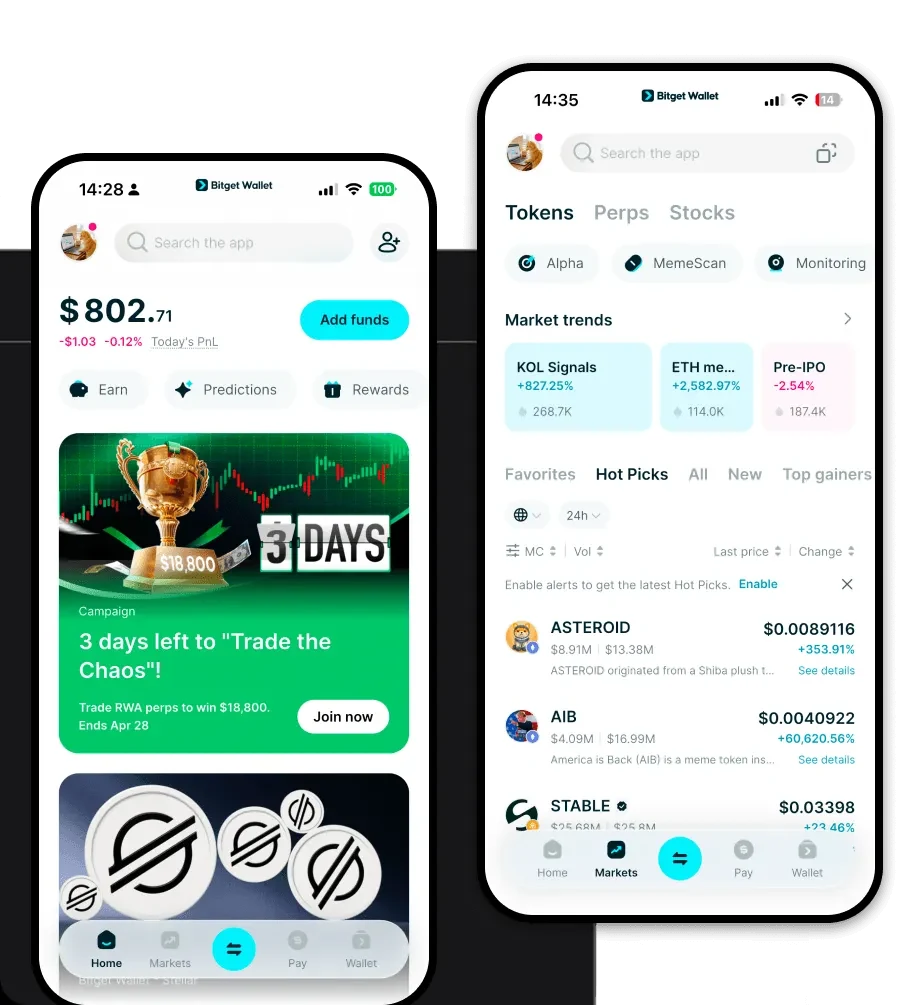
Managing your USDT should be seamless, regardless of your technical expertise. Bitget Wallet provides a comprehensive solution for both beginners and advanced users. By choosing to download Bitget Wallet, you gain access to a platform that prioritizes self-custody, ensuring that only you hold the keys to your funds. The wallet is designed to be accessible everywhere: it is available as a mobile app for both iOS and Android, as well as a browser extension for desktop users. Its multi-chain architecture means you can manage USDT on Ethereum, BNB Chain, Polygon, and more, all within a single, unified interface.
3. Why Choose Bitget Tether (USDT) Wallet?
When selecting a wallet for stablecoins like USDT, efficiency and integration are paramount. Bitget Wallet excels in the EVM environment by offering:
- MetaMask Compatibility: Easily import your existing wallets and interact with your favorite DeFi protocols without friction.
- Optimized Gas Management: Benefit from intelligent gas fee estimation, ensuring your transactions are processed efficiently even during periods of network congestion.
- Deep DeFi Integration: Directly access top-tier decentralized exchanges and yield farming platforms to put your USDT to work.
- Robust Security Architecture: With a $300 million user protection fund and advanced encryption, your assets are shielded against common vulnerabilities.
- Cross-Chain Versatility: Seamlessly switch between different EVM chains while managing your USDT portfolio in one view.
4. How to Create a Tether (USDT) Wallet
Setting up your wallet is a straightforward process that grants you immediate access to the Web3 ecosystem:
- Install the App: Download the official Bitget Wallet application from the App Store, Google Play, or the official website.
- Create a New Wallet: Open the app and select 'Create a Wallet'. Ensure you are in a private location.
- Secure Your Seed Phrase: You will be given a 12-word recovery phrase. Write this down on paper and store it securely; never share it with anyone or store it digitally.
- Verify and Setup: Follow the on-screen prompts to verify your phrase, set a strong passcode or biometric authentication, and complete the setup.
- Add USDT: Once inside, use the 'Add Token' feature to search for USDT on your preferred network and add it to your dashboard.
5. What Can You Do With a Tether (USDT) Wallet?
A USDT wallet is more than just a storage container; it is your gateway to the digital economy. With Bitget Wallet, you can:
- Trading: Execute swaps between USDT and other digital assets instantly on integrated decentralized exchanges.
- Remittance: Send USDT globally to anyone with a wallet address, bypassing traditional banking delays and high wire fees.
- Providing Liquidity: Deposit your USDT into liquidity pools on DeFi platforms to earn passive yield on your stablecoin holdings.
- Hedging Against Volatility: Quickly convert volatile assets into USDT during market downturns to preserve the value of your portfolio.
- Cross-Border Payments: Utilize USDT for seamless peer-to-peer payments, making it a practical tool for international transactions.
6. How Tether (USDT) Wallets Are Different from Other Crypto Wallets
While many wallets may look similar, the underlying mechanics differ significantly based on the blockchain and asset type. For an EVM-based asset like USDT, the wallet must be optimized for the Account Model, where every transaction is processed through smart contracts. Unlike Bitcoin wallets that rely on the UTXO (Unspent Transaction Output) model, an EVM wallet manages 'states' and gas fees, which fluctuate based on network demand. Bitget Wallet simplifies this complexity by automatically handling the technical nuances of gas limits and contract interactions, allowing you to focus on your trading strategy rather than the technical overhead of the underlying blockchain.
