




What is a kms Wallet?
A kms wallet is a digital tool designed to store, manage, and interact with your kms tokens within the blockchain ecosystem. Since kms operates on an EVM-compatible chain, it requires a wallet that understands the Ethereum Virtual Machine architecture—the standard for decentralized applications today. Using a dedicated wallet ensures that you can interact with decentralized finance (DeFi) protocols and decentralized applications (dApps) seamlessly.
Are you looking for a reliable and secure crypto wallet for your KMS? Bitget Wallet will be your best choice. Trusted by 40 million users, you can freely explore Web3 on Bitget Wallet. Start your journey now!
Download Bitget kms Wallet
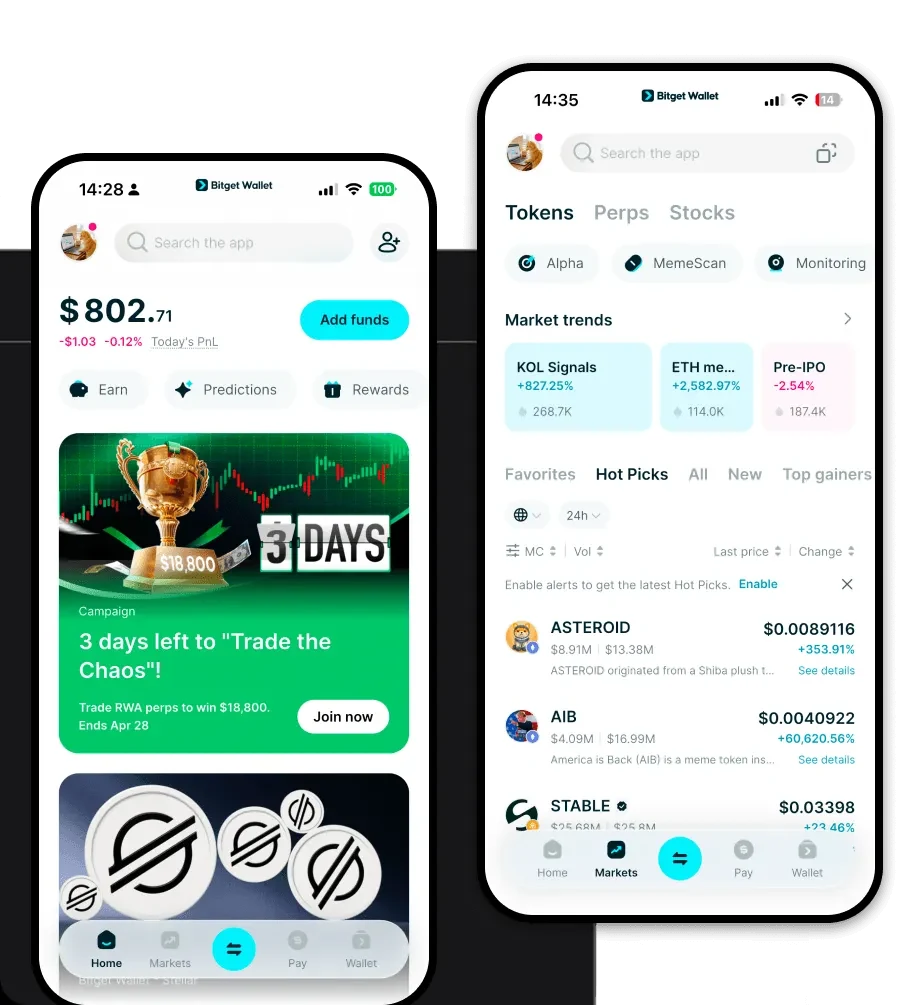
Getting started with your kms wallet is designed to be straightforward and secure. Whether you are a beginner or an experienced Web3 user, Bitget Wallet offers a unified experience across platforms. It provides robust multi-chain support, ensuring that your kms tokens are managed alongside your other digital assets without friction.
The platform prioritizes non-custodial security, meaning you retain full control over your private keys and assets. You can access your wallet on the go via the mobile app for iOS and Android, or use the browser extension for desktop-based dApp interactions. To begin, you can download Bitget Wallet and follow the prompts to initialize your account.
Why Choose Bitget kms Wallet?
Choosing the right wallet for your kms tokens is critical for both security and functionality. Bitget Wallet stands out in the EVM ecosystem by offering several key advantages:
- EVM Compatibility: Designed specifically to handle the complexities of the Ethereum Virtual Machine, ensuring your kms transactions are processed efficiently with optimized gas fee management.
- Advanced Security Infrastructure: With a 300 million USD user protection fund and non-custodial architecture, your assets are shielded against common vulnerabilities while keeping you in total control of your private keys.
- Seamless Multi-chain Experience: Beyond just kms, you can manage assets across over 130+ blockchains, allowing you to bridge and swap tokens without switching between multiple applications.
- Integrated dApp Browser: Access the entire DeFi landscape directly through the wallet, enabling you to participate in liquidity mining, staking, and governance platforms without leaving the app.
- Decentralized Asset Custody: Your funds are held on-chain, not by a central authority, providing true ownership and transparency for every kms token you hold.
How to Create a kms Wallet
Setting up your wallet to hold kms is a five-step process designed for maximum security:
1. Download and Install: Visit the official website or your app store to download Bitget Wallet. Ensure you are using the official version to avoid phishing risks.
2. Create a New Wallet: Open the app and select 'Create Wallet.' You will be prompted to set a strong, unique password for the application.
3. Backup Your Seed Phrase: This is the most critical step. Write down your recovery phrase (12-24 words) on paper and store it in a secure, offline location. Never share this with anyone.
4. Add the Network: Since kms is an EVM token, it will automatically be recognized on supported EVM networks. You can easily add the specific contract address if it does not appear automatically.
5. Receive kms: Navigate to the 'Assets' tab, select your chain, and click 'Receive' to copy your kms wallet address. You are now ready to send and receive tokens.
What Can You Do With a kms Wallet?
A kms wallet is more than just a storage vault; it is your gateway to the Web3 ecosystem. Here is how you can utilize your wallet:
- Secure Asset Storage: Leverage non-custodial security to ensure your kms tokens remain in your control, protected from centralized platform risks.
- Private Key Management: Utilize the wallet’s intuitive interface to manage your private keys and backups, ensuring you never lose access to your funds.
- Web3 dApp Interaction: Use the built-in browser to connect your wallet to various decentralized finance platforms, allowing you to stake tokens or vote on governance proposals.
- Cross-chain Asset Bridging: Easily move your assets between different EVM-compatible chains or Layer 2 solutions, ensuring your kms tokens are available where you need them most.
- Token Swaps: Utilize the integrated DEX aggregator to exchange your kms for other tokens directly within the wallet, often finding the best market rates across multiple decentralized exchanges.
How kms Wallets Are Different from Other Crypto Wallets
When comparing the best wallet for kms to other options, the primary difference lies in the EVM-centric design. Unlike wallets built for UTXO models (like Bitcoin), which focus on simple transaction outputs and inputs, an EVM wallet like Bitget is designed to interact with complex smart contracts. This allows for 'gas fee' optimization, meaning the wallet can estimate the cost of execution before you commit, saving you money during periods of high network congestion. Furthermore, while some wallets are purely custodial, Bitget Wallet’s non-custodial approach ensures that you are the sole custodian of your kms, providing a level of security and autonomy that custodial exchanges simply cannot match.
