




What is a WCFG Wallet?
A WCFG wallet is a digital interface designed to interact with the Wrapped Centrifuge (WCFG) token, which operates primarily within the EVM (Ethereum Virtual Machine) ecosystem. Understanding the nature of WCFG is essential for any investor looking to engage with real-world assets (RWA) on the blockchain.
WCFG (Wrapped Centrifuge) is the wrapped version of the Centrifuge (CFG) token, designed to facilitate cross-chain interoperability and liquidity. It allows users to leverage real-world assets (RWA) on the Centrifuge protocol across different blockchain ecosystems, ensuring secure storage and management via compatible wallets like Bitget Wallet. Because WCFG functions as an ERC-20 token, it relies on the robust smart contract architecture of EVM-compatible chains, enabling seamless integration with decentralized applications and liquidity pools.
Download Bitget WCFG Wallet
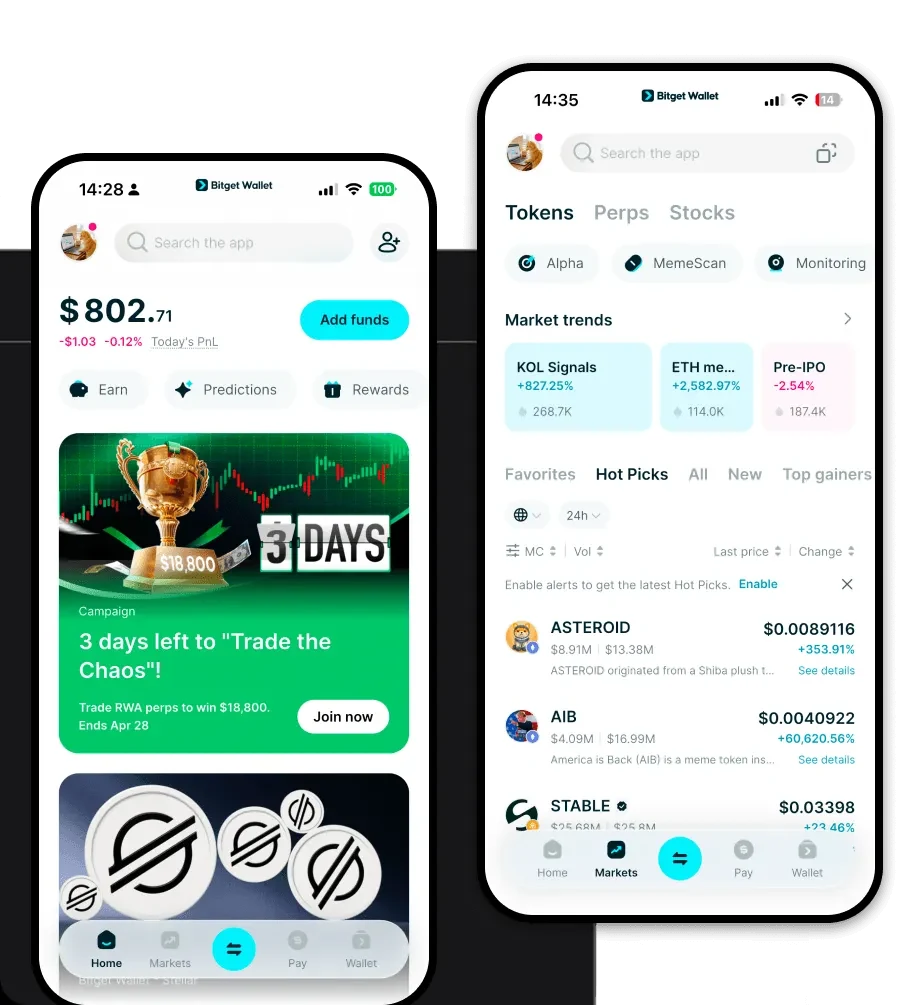
Finding the right tool to manage your digital assets is the first step toward self-custody. When you download Bitget Wallet, you are choosing a platform that bridges the gap between complex blockchain protocols and user-friendly design. Bitget Wallet stands out as the best wallet for WCFG because it combines multi-chain support with intuitive navigation, ensuring you can manage your RWA tokens alongside thousands of other assets without friction.
The Bitget WCFG wallet app is available across iOS, Android, and as a browser extension, offering a seamless experience whether you are on the go or at your desk. It emphasizes private key self-custody, meaning you—and only you—have complete control over your WCFG assets. By utilizing a non-custodial architecture, Bitget Wallet ensures that your private keys never leave your device, providing the foundation for secure DeFi participation.
Why Choose Bitget WCFG Wallet?
Choosing the right wallet for an RWA-focused token like WCFG requires more than just basic storage capabilities. As an EVM-compatible token, WCFG thrives in environments that support complex smart contract interactions. Here is why Bitget Wallet is the superior choice for WCFG users:
- EVM Compatibility & MetaMask Import: Bitget Wallet offers full EVM support, allowing users to import existing MetaMask wallets effortlessly. You can switch between networks and protocols without losing access to your token history or smart contract configurations.
- Robust RWA Integration: Given WCFG's focus on Real-World Assets, Bitget Wallet provides specialized interfaces that recognize and display RWA-related tokens, making it easier to track your portfolio's performance.
- Cross-Chain Interoperability: With built-in support for hundreds of DEXs and cross-chain bridges, you can swap your WCFG for other assets across different chains directly within the app, bypassing the need for centralized exchanges.
- Institutional-Grade Security: Bitget Wallet is backed by a $300 million user protection fund, offering an extra layer of security that is crucial when dealing with significant RWA-backed positions.
- Optimized Gas Fee Management: The wallet provides real-time gas fee estimations for EVM transactions, allowing users to optimize their execution costs for staking or trading activities.
How to Create a WCFG Wallet
Setting up your WCFG wallet is a straightforward process designed to prioritize security. Follow these steps to get started:
- Download and Install: Visit the official website to download the Bitget Wallet app on your preferred device (iOS, Android, or Browser Extension).
- Create a New Wallet: Open the app and select 'Create a New Wallet.' You will be prompted to set a strong, unique password for your local device access.
- Secure Your Seed Phrase: The app will generate a 12 or 24-word recovery phrase. Write this down on physical paper and store it in a secure, offline location. Never share this with anyone.
- Verify Your Setup: Follow the on-screen prompts to verify your recovery phrase. This confirms that you have backed up your access credentials correctly.
- Add WCFG Asset: Once your wallet is created, navigate to the asset management section. Search for 'WCFG,' and add it to your main dashboard to view your balance and transaction history.
What Can You Do With a WCFG Wallet?
A WCFG wallet is more than just a storage vault; it is a gateway to the broader Centrifuge ecosystem and the DeFi world. Here is how you can utilize your WCFG effectively:
- Staking: You can participate in staking programs through your wallet, locking your WCFG to contribute to network security while earning passive rewards in the form of additional tokens.
- Providing Liquidity: By connecting your wallet to decentralized exchanges, you can provide WCFG liquidity to pools, facilitating trades for other users and earning a portion of the transaction fees.
- Governance Voting: As a token holder, your voice matters; use your wallet to interact with governance platforms, casting your vote on proposals that shape the future of the Centrifuge protocol.
- Trading: Utilize the built-in DEX aggregator within your Bitget Wallet to trade WCFG for other EVM-compatible assets at the best available market rates.
- Yield Farming: Engage in advanced yield farming strategies by deploying your WCFG into optimized smart contract vaults, maximizing your potential returns within the DeFi ecosystem.
How WCFG Wallets Are Different from Other Crypto Wallets
Not all wallets are created equal, especially when dealing with specific token standards. Unlike wallets designed for UTXO-based chains (like Bitcoin), which focus on simple transaction outputs, a WCFG wallet operates within an account-based model typical of the EVM ecosystem. This difference is fundamental to how you interact with WCFG.
While UTXO wallets focus on managing unspent transaction outputs, your WCFG wallet manages an account balance stored within the EVM state. This architecture is what enables WCFG to interact seamlessly with complex DeFi protocols. Furthermore, because WCFG is an EVM token, your wallet must handle gas fees—the cost of computation on the Ethereum network—which differs significantly from the resource models used in chains like EOS or the high-throughput, low-fee structures of Solana. Bitget Wallet excels here by abstracting this complexity, ensuring that even when interacting with sophisticated DeFi smart contracts, the user experience remains smooth and fee-transparent.
