





What is a PTD Wallet?
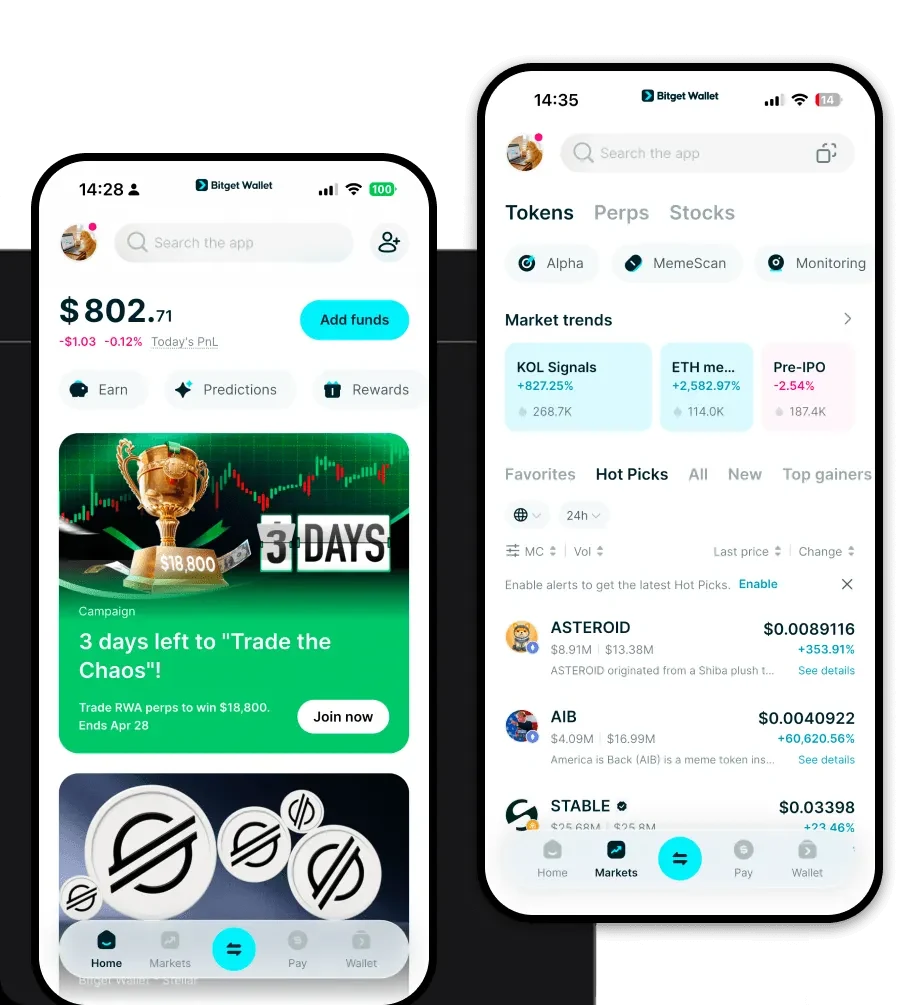
A PTD wallet is a secure digital interface designed to interact with the blockchain network where PTD is hosted. Because PTD operates on the EVM (Ethereum Virtual Machine) chain, it requires a wallet that natively supports EVM standards to ensure seamless interaction with smart contracts and decentralized applications (dApps). PTD is a digital asset supported by Bitget Wallet, a secure and reliable crypto wallet trusted by 40 million users for exploring Web3 ecosystems.
Download Bitget PTD Wallet
Finding the right PTD wallet app is the first step toward true self-custody. Bitget Wallet stands out by providing a comprehensive, multi-chain experience that puts you in full control of your private keys. Whether you prefer managing your assets on the go or need a desktop-based workflow, Bitget Wallet has you covered. It offers seamless integration across iOS, Android, and browser extensions, ensuring your PTD is accessible whenever you need it. By choosing to download Bitget Wallet, you are opting for a platform that simplifies complex Web3 interactions while maintaining rigorous security standards across hundreds of chains.
Why Choose Bitget PTD Wallet?
When dealing with DeFi assets like PTD, your choice of wallet directly impacts your experience. Bitget Wallet is optimized for the EVM ecosystem, providing specific advantages for PTD holders:
- EVM Compatibility: Designed for full compatibility with Ethereum-based standards, allowing you to interact with all major DeFi protocols without technical friction.
- Advanced Cross-Chain Interoperability: Effortlessly swap PTD across different chains using built-in bridges, ensuring you are never locked into a single network ecosystem.
- High Liquidity Access: Bitget Wallet aggregates hundreds of DEXs, ensuring that when you trade PTD, you get the best possible execution price and minimal slippage.
- Robust Secure Asset Management: Backed by a $300 million user protection fund, Bitget Wallet provides institutional-grade security for your digital assets, combining hardware-level safety with user-friendly software.
How to Create a PTD Wallet
Getting started with your PTD wallet is straightforward. Follow these five steps to secure your assets:
1. Download and Install: Visit the official Bitget Wallet website to install the app on your preferred device (mobile or browser extension).
2. Create a New Wallet: Open the app and select 'Create a Wallet'. This will generate your unique wallet address on the EVM chain.
3. Secure Your Mnemonic Phrase: The app will display a 12-word recovery phrase. Write this down on paper and store it in a secure, offline location. Never share this with anyone.
4. Set a Password: Create a strong, unique password to add an extra layer of protection for local access to the app.
5. Add PTD Token: Navigate to the asset list, use the 'Add Token' feature, and import the PTD contract address to start viewing and managing your balance.
What Can You Do With a PTD Wallet?
A PTD wallet is more than just a storage vault; it is a gateway to the DeFi ecosystem. Here is how you can maximize your PTD usage:
- Trading: Execute instant trades of PTD against other tokens directly within the Bitget Wallet interface, utilizing aggregated liquidity for better rates.
- Staking: Participate in network consensus or protocol-specific staking programs to earn yield on your idle PTD holdings.
- Providing Liquidity: Deposit your PTD into decentralized liquidity pools to earn transaction fees and contribute to the health of the DeFi ecosystem.
- Cross-Chain Transfers: Move your PTD across different EVM-compatible networks seamlessly using the wallet's built-in bridge features.
- Portfolio Management: Monitor your total net worth and track the performance of your PTD and other DeFi assets in real-time through the integrated dashboard.
How PTD Wallets Are Different from Other Crypto Wallets
Not all wallets are created equal, especially when handling PTD on the EVM chain. Unlike wallets designed for the UTXO model (like Bitcoin), which focus primarily on transaction history and simple transfers, an EVM-based PTD wallet is built to manage complex state changes. Because PTD runs on the EVM, your wallet must be able to parse smart contract interactions, handle gas fee estimations, and manage token approvals—features that Bitget Wallet excels at. While UTXO wallets are great for simple cold storage, an EVM-native wallet is essential for the DeFi activities that PTD is designed for, offering a more dynamic, interactive, and efficient user experience.
