





What is a FALSE Wallet?
A FALSE wallet is a digital interface designed to interact with the FALSE token, a meme-oriented project operating within the cryptocurrency ecosystem. Because FALSE is built on the EVM (Ethereum Virtual Machine) chain, it requires a wallet that is compatible with Ethereum-based standards to ensure seamless transactions and smart contract interactions.
FALSE is a meme-oriented project operating within the cryptocurrency ecosystem, often associated with community-driven initiatives. Users can manage and interact with FALSE tokens securely using wallets like Bitget Wallet, which provides access to Web3 features and decentralized finance tools.
By utilizing an EVM-compatible wallet, users gain the ability to store their tokens, participate in decentralized governance, and interact with various liquidity pools. The nature of FALSE as a community-driven asset means that your wallet needs to be fast and reliable enough to keep up with high-volatility market movements while keeping your assets under your personal control.
Download Bitget FALSE Wallet
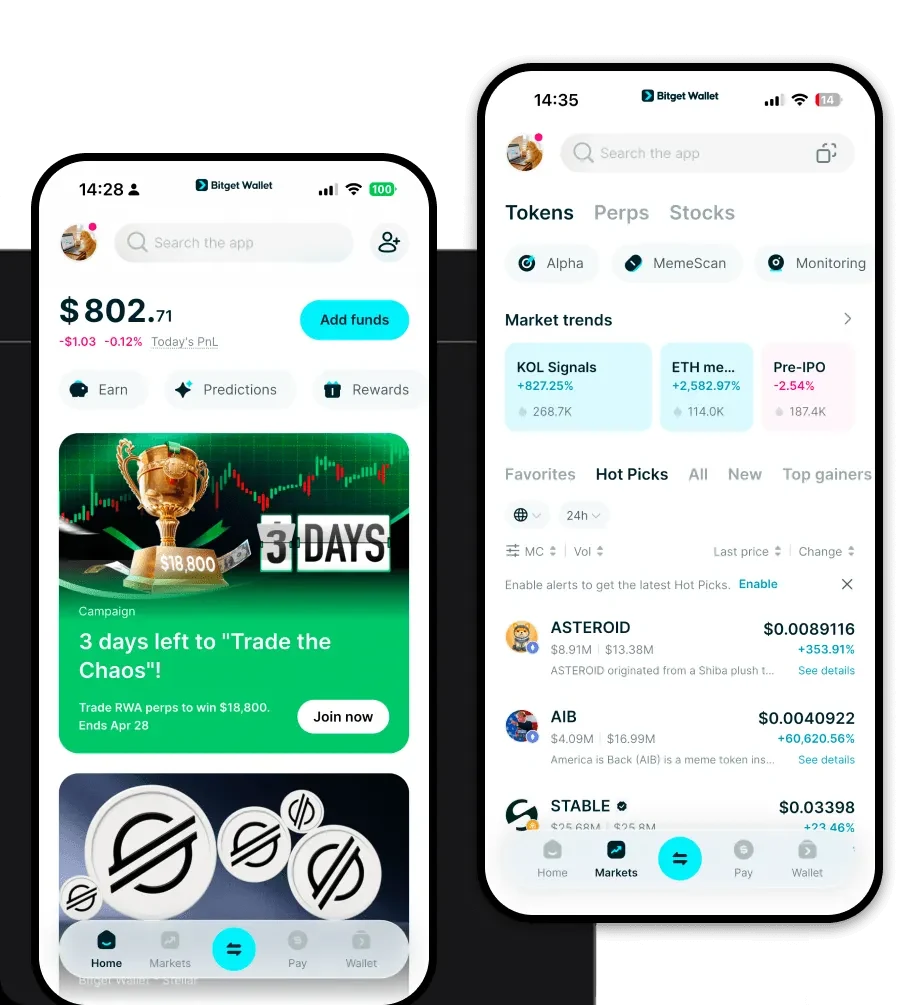
To begin your journey with the FALSE token, you need a robust interface that simplifies the complexity of the blockchain. Bitget Wallet offers a streamlined experience for users of all levels, from beginners to experienced traders. You can easily download Bitget Wallet across multiple platforms, including iOS, Android, and as a browser extension.
This application is designed for self-custody, meaning you retain full control over your private keys and seed phrases at all times. Whether you are switching devices or managing multiple assets, the multi-chain support ensures that your FALSE tokens are always accessible alongside your other EVM-compatible assets. The installation process is intuitive—simply visit the official download page, install the app, and follow the guided setup to secure your account.
Why Choose Bitget FALSE Wallet?
Choosing the right wallet for a meme-oriented project like FALSE is crucial due to the specific demands of the EVM ecosystem. Bitget Wallet stands out for several key reasons:
- Seamless EVM Compatibility: Since FALSE operates on the EVM chain, Bitget Wallet provides native support for all Ethereum-based tokens, ensuring you can interact with decentralized applications without compatibility issues.
- Advanced Gas Fee Management: Managing gas fees is critical during periods of high volatility. Bitget Wallet offers smart gas fee estimation, helping you execute transactions efficiently even when the network is congested.
- 300 Million Dollar Protection Fund: Security is paramount in the meme token space. Bitget Wallet incorporates a massive user protection fund, providing an extra layer of safety for your digital assets.
- Native DeFi Integration: You are not just storing tokens; you are accessing the entire DeFi ecosystem. The wallet aggregates hundreds of decentralized exchanges, allowing you to swap FALSE with minimal slippage.
- Community-Driven Focus: The interface is optimized for speed, which is essential for tokens that rely heavily on social media sentiment and rapid market shifts.
How to Create a FALSE Wallet
Setting up your wallet is a straightforward process that takes only a few minutes. Follow these steps to get started:
1. Download and Install: Use the official links to install the Bitget Wallet app on your preferred device.
2. Create a New Wallet: Open the app and select the 'Create Wallet' option. You will be prompted to set a strong password to protect the local app interface.
3. Backup Your Seed Phrase: This is the most important step. Write down your 12-24 word recovery phrase and store it in an offline, secure location. Never share this with anyone.
4. Switch to EVM Chain: Since FALSE is an EVM token, ensure your wallet is set to the correct network (like Ethereum or BNB Chain) to view and manage your assets properly.
5. Receive Tokens: Click the 'Receive' button, select the appropriate network, and copy your public address. You are now ready to receive your FALSE tokens.
What Can You Do With a FALSE Wallet?
Owning a FALSE wallet opens up a variety of utility options within the Web3 space. Here is how you can actively use your tokens:
- Speculative Trading: Use the integrated DEX aggregator to perform speculative trading, allowing you to react quickly to market volatility and capitalize on price movements.
- Community Participation: As a community-driven project, holding FALSE allows you to participate in community votes or DAO initiatives, which are often managed directly through your connected wallet.
- Holding for Long-Term Speculation: Use your wallet as a secure, long-term storage vault to hold your assets while waiting for potential future market cycles or community milestones.
- Liquidity Provision on DEXs: You can use your FALSE tokens to provide liquidity on decentralized exchanges, helping to facilitate trades for others while earning a share of the transaction fees generated by the pool.
How FALSE Wallets Are Different from Other Crypto Wallets
Not all crypto wallets are built the same. When dealing with an EVM-based token like FALSE, the underlying architecture matters significantly compared to other chains.
Account Model vs. UTXO: Unlike Bitcoin, which uses a UTXO model that focuses on unspent transaction outputs, EVM-based wallets like Bitget Wallet utilize an 'Account Model.' This allows for complex smart contract interactions, which are necessary for the DeFi features often associated with meme tokens. This model makes it much easier to interact with DApps and automated market makers.
Gas Fees vs. Resource Models: While some chains like EOS rely on complex resource models (CPU/NET/RAM), EVM wallets are built around the gas fee mechanic. Bitget Wallet simplifies this by providing real-time gas fee adjustments, ensuring that your transactions go through smoothly without overpaying.
Speed and Interoperability: Because FALSE is an EVM token, your wallet acts as a gateway to a massive ecosystem. Unlike isolated chains, an EVM wallet allows you to move your assets across various bridges and protocols, offering a level of interoperability that is essential for active traders who need to move liquidity between different platforms rapidly.
