




What is a BCD Wallet?
Bitcoin Diamond (BCD) is a fork of Bitcoin, designed to solve scalability issues and transaction speeds by increasing block size and implementing a new proof-of-work algorithm. It aims to provide faster transaction confirmation times and lower fees compared to the original Bitcoin network. Because BCD operates as an independent blockchain derived from the Bitcoin protocol, it requires a specialized digital interface—a BCD wallet—to interact with the network.
A BCD wallet does not technically store your coins; instead, it stores the private keys that grant you ownership and access to your BCD assets on the blockchain. Without a reliable wallet, you cannot authorize transactions, check your balance, or interact with the decentralized infrastructure that BCD provides. Given its roots in the BTC ecosystem, a proper wallet must support the specific technical requirements of the BCD network, ensuring that your transactions are broadcasted correctly and your private keys remain exclusively in your custody.
Download Bitget BCD Wallet
To securely manage your digital assets, you need a robust, user-friendly, and secure gateway. Bitget Wallet stands out as a premier choice for this purpose, offering comprehensive support for over 130+ blockchains, including the BCD ecosystem. It provides the essential tools for both novice users and experienced traders to manage their portfolios with confidence.
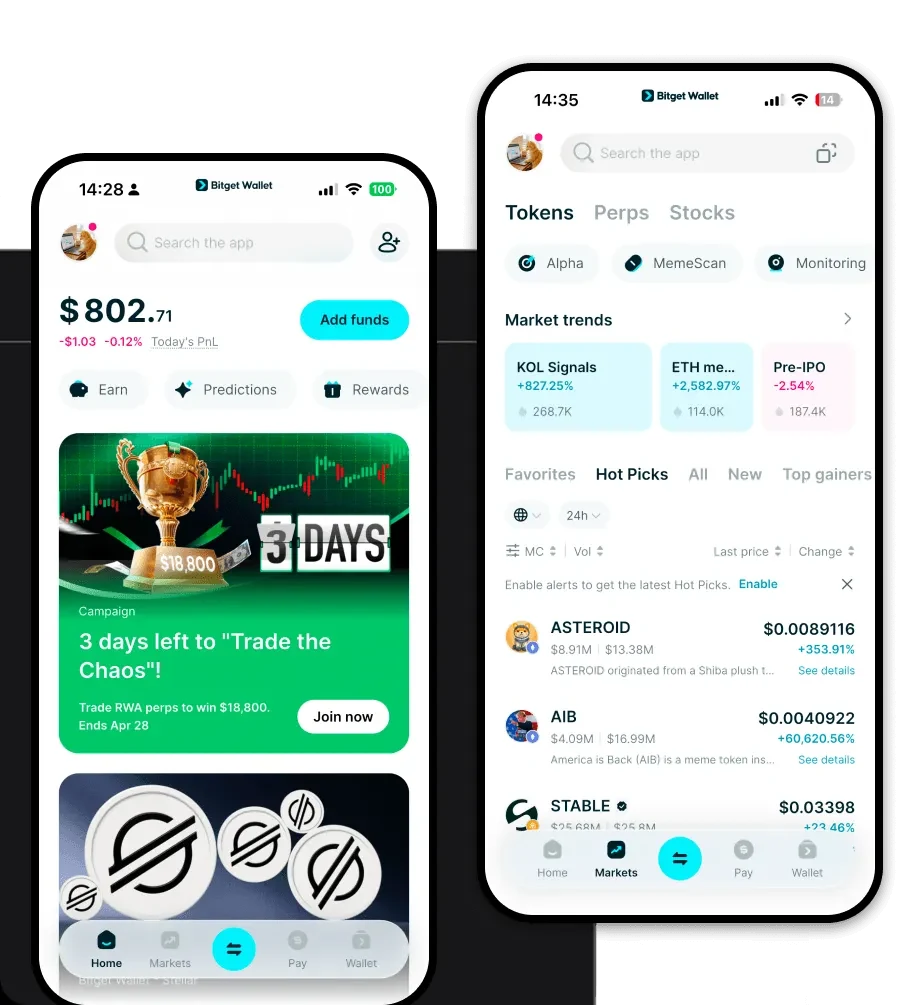
The Bitget BCD wallet app is designed with a multi-chain architecture, allowing you to manage various assets in one unified interface. Whether you are using an iOS device, an Android smartphone, or a desktop browser, the experience remains seamless. By choosing to download Bitget Wallet, you are opting for a non-custodial solution where you hold your own private keys, ensuring that you—and only you—have control over your funds. This self-custody model is the gold standard for security, protecting you from the risks associated with centralized exchanges.
Why Choose Bitget BCD Wallet?
- Enhanced Security Infrastructure: Bitget Wallet incorporates a massive $300 million user protection fund, providing an extra layer of defense against potential security threats while you manage your BCD assets.
- Native UTXO Management: Because BCD is a fork of Bitcoin, it utilizes a UTXO (Unspent Transaction Output) model. Bitget Wallet is optimized to handle UTXO-based chains efficiently, ensuring accurate balance tracking and optimal transaction construction.
- Seamless Privacy Features: The wallet is built to respect user privacy, allowing you to manage your BCD holdings without unnecessary data collection or third-party interference.
- Comprehensive DApp Integration: Beyond simple storage, Bitget Wallet acts as a gateway to the broader Web3 ecosystem, allowing you to interact with various decentralized applications directly from your interface.
- Multi-Chain Synergy: Unlike wallets that only focus on one chain, Bitget allows you to bridge, swap, and manage BCD alongside assets from hundreds of other networks, providing ultimate liquidity management.
How to Create a BCD Wallet
Getting started with your BCD wallet address is a straightforward process that prioritizes security from the very first step:
- Installation: Visit the official website to download Bitget Wallet on your mobile device or browser extension.
- Wallet Creation: Open the application and select 'Create a New Wallet.' The app will generate a 12-to-24-word recovery phrase, which is the master key to your funds.
- Secure Your Recovery Phrase: Write down your recovery phrase on paper and store it in a secure, offline location. Never share this phrase with anyone, as it grants full access to your BCD wallet address.
- Add BCD Network: Within the wallet, navigate to the asset management section and search for Bitcoin Diamond (BCD). Toggle the switch to add it to your main dashboard.
- Access Your Address: Click on BCD to view your unique BCD wallet address. You can now share this address to receive funds or initiate transfers from other wallets or exchanges.
What Can You Do With a BCD Wallet?
Once you have set up your wallet, you gain access to a variety of powerful financial tools tailored for the BCD ecosystem:
- Trading: You can actively participate in the market by trading BCD against other assets, leveraging the high liquidity provided by integrated decentralized exchanges.
- Cross-border Payments: Utilize BCD for near-instant global settlements, allowing you to send value across borders without the delays typically associated with traditional banking systems.
- Value Storage: Keep your BCD secure for the long term in a non-custodial environment, protecting your investment from centralized failures while keeping your assets ready for immediate use.
- Transaction Fee Optimization: Because BCD offers lower fees than the original Bitcoin network, you can use your wallet to execute frequent transactions without incurring the high costs that often plague older blockchain networks.
How BCD Wallets Are Different from Other Crypto Wallets
It is important to understand that not all crypto wallets are built the same. If you are coming from an Ethereum (EVM) background, you are used to an 'Account Model,' where your address acts like a bank account balance. However, as a Bitcoin-fork, BCD uses the UTXO model. This means your 'balance' is actually a collection of unspent outputs from previous transactions. A specialized BCD wallet like Bitget is designed to handle this complexity, ensuring that when you send BCD, the wallet correctly selects and combines these outputs, which is vital for maintaining privacy and ensuring transaction success.
Furthermore, while some wallets prioritize gas-fee markets common in smart-contract chains, a BCD wallet focuses on transaction speed and block size optimization. Because BCD has a larger block size and a different proof-of-work algorithm, your wallet must be configured to recognize these specific network parameters to ensure your transactions are confirmed rapidly and efficiently, setting it apart from wallets built solely for token-based ecosystems.
