





What is a Workbench Wallet?
A Workbench wallet is a specialized digital interface designed to securely hold, manage, and interact with the Workbench token. As the native asset within this ecosystem, Workbench represents more than just a digital currency; it is the utility token powering a scalable infrastructure designed for operations, notifications, and complex financial automation.
Workbench originated from an open-source project led by Pontus Abrahamsson. It began as a BullMQ dashboard designed for developers, offering multi-framework adapters. As a community-driven project, it extends the open-source finance and automation philosophy of Midday, aiming to build a scalable ecosystem for operations, notifications, and financial automation tailored for developers and SMEs. Because it operates within the broader Web3 infrastructure, having a robust wallet is essential for anyone looking to participate in this developer-centric economy.
Download Bitget Workbench Wallet
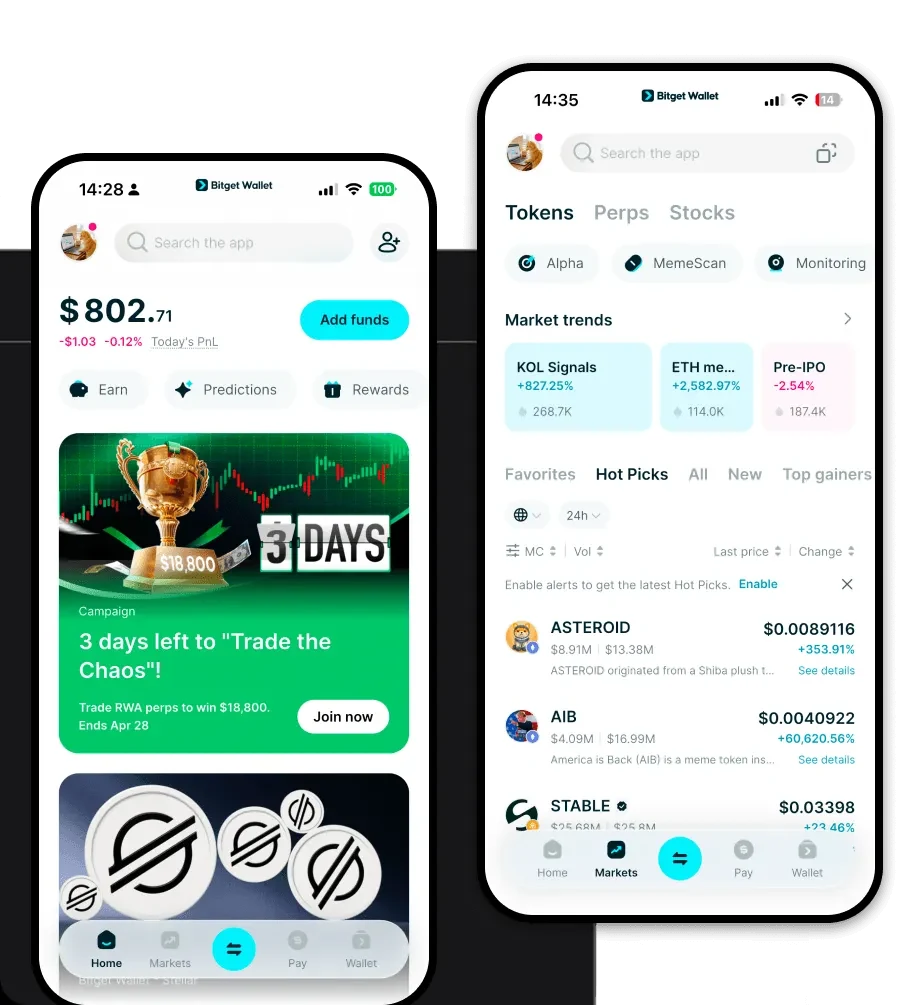
To interact with the Workbench ecosystem effectively, you need a secure, non-custodial gateway that offers more than just basic storage. Bitget Wallet stands out as the premier choice for users seeking a seamless experience across multiple chains. Whether you are managing assets on the go or integrating complex dApps, Bitget Wallet provides the infrastructure necessary to maintain full control over your private keys.
The platform is accessible across all major interfaces, ensuring that you can manage your assets whether you are at your desk or on the move. You can download Bitget Wallet directly for iOS, Android, or as a browser extension. With support for over 130 public chains and millions of tokens, it acts as a unified hub, allowing you to bridge assets and execute transactions without the fragmentation often found in other crypto tools.
Why Choose Bitget Workbench Wallet?
When dealing with infrastructure-focused tokens like Workbench, you need a wallet that understands the nuances of developer tooling and scalable operations. Bitget Wallet is engineered to support the sophisticated needs of users in the 'Other' chain category, providing specific advantages:
- Infrastructure-Grade Security: Backed by a $300 million user protection fund, Bitget Wallet ensures that your assets remain isolated from potential network vulnerabilities, a critical feature for long-term holders.
- Seamless Multi-Chain Integration: Since Workbench operates in a diverse ecosystem, the wallet’s ability to aggregate hundreds of DEXs and cross-chain bridges allows you to move liquidity efficiently without manual configuration.
- Developer-Centric Interface: The wallet is designed to handle complex token interactions, making it easier to manage assets that are part of open-source financial stacks.
- High-Performance Execution: With optimized pathfinding for trades, users can ensure their transactions are processed with minimal slippage, even during high-traffic periods in the ecosystem.
How to Create a Workbench Wallet
Setting up your wallet is a straightforward process designed to prioritize your security and self-custody. Follow these steps to get started:
- Download and Install: Visit the official site and download Bitget Wallet for your preferred device (iOS, Android, or Browser Extension).
- Initialize Wallet: Open the app and select 'Create New Wallet.' Follow the prompts to generate your recovery phrase.
- Secure Your Seed Phrase: Write down your 12-24 word recovery phrase and store it in an offline, secure location. Never share this with anyone.
- Configure Network Settings: Navigate to the token management section and ensure your wallet is set to view the chain where Workbench resides.
- Add Workbench: Use the 'Add Token' feature, input the correct contract address for Workbench, and your wallet address is now ready to receive and store tokens.
What Can You Do With a Workbench Wallet?
The Workbench wallet is not merely for storage; it is a tool for active participation in the ecosystem. Here is how you can leverage your wallet:
- Automating Financial Workflows: Utilize the wallet to trigger and manage automated financial transactions that align with the Workbench infrastructure philosophy.
- Managing Developer Operations: Use your wallet to interact with dApps that facilitate the management of developer-centric tasks and operational dashboards.
- Integrating Notification Systems: Connect your wallet to dApps that utilize Workbench for on-chain alerts, ensuring you stay updated on your financial automation status.
- Configuring Multi-Framework Adapters: Leverage your holdings to interact with various framework adapters, allowing for interoperability across different parts of the tech stack.
- Optimizing SME Business Processes: Employ the wallet to handle business-to-business or business-to-consumer payments that require the scalability Workbench provides.
How Workbench Wallets Are Different from Other Crypto Wallets
Standard crypto wallets are often built for simple peer-to-peer transfers or basic DeFi speculation. However, a wallet managing an infrastructure token like Workbench must handle more complex requirements. Unlike wallets designed solely for simple account models, Bitget Wallet provides the depth required for multi-framework integration. While many wallets struggle with the overhead of managing 'Other' chain assets, Bitget provides a unified view that simplifies the complexity of developer tooling. Furthermore, whereas standard wallets focus on simple gas fee estimation, the Bitget architecture is designed to handle the high-throughput, scalable operations required by SME-focused ecosystems, ensuring that your financial automation workflows remain uninterrupted by network congestion or interface limitations.
