





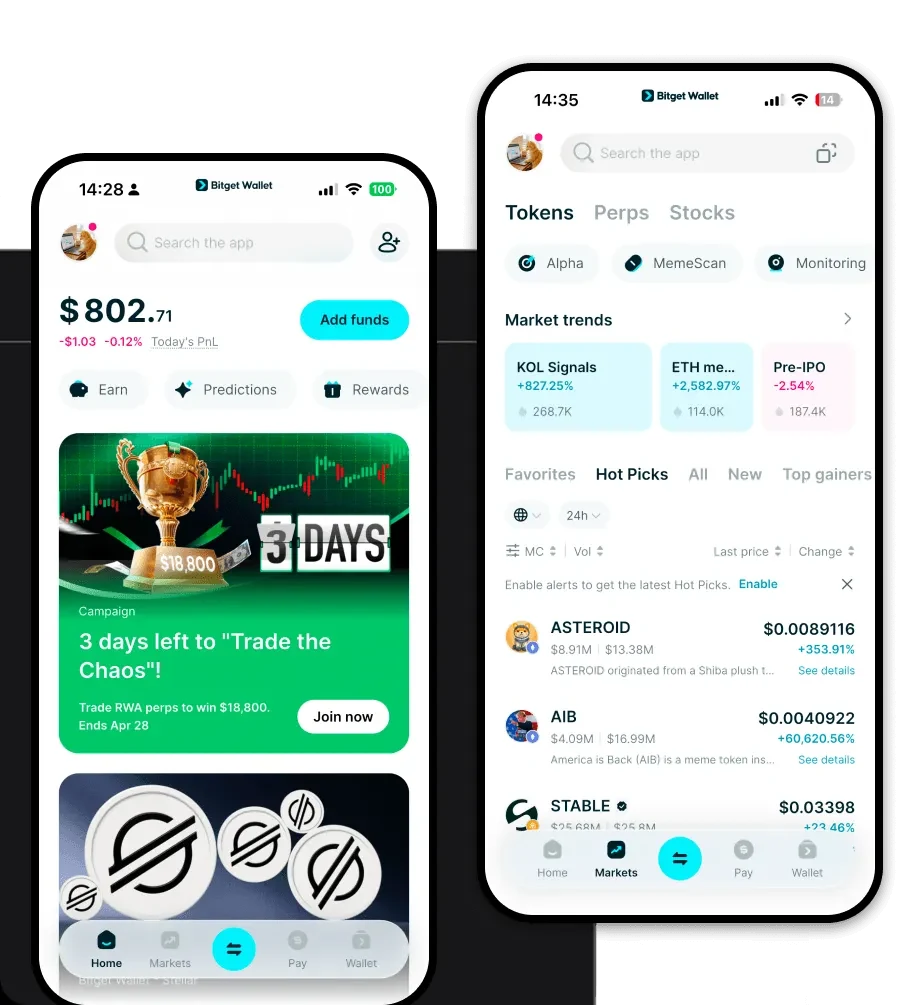
What is a TSL Wallet?
A TSL wallet is a digital interface that allows you to securely store, send, and interact with TSL tokens. As an EVM-compatible asset, TSL operates primarily within the Ethereum Virtual Machine ecosystem, meaning it relies on standard Ethereum-based architecture for its transactions and smart contract interactions. TSL is a community-driven experimental derivative token with limited official information. It is primarily associated with AI-related applications within the crypto ecosystem. The project positions itself as a developer-focused initiative aiming to build on-chain AI experiments and composable infrastructure, targeting researchers and governance participants.
Because TSL exists on the EVM, it requires a wallet capable of parsing smart contract data and managing ERC-20 token standards. Whether you are participating in experimental tokenomics or engaging with on-chain AI narratives, having a reliable wallet is the first step toward managing your TSL holdings effectively.
Download Bitget TSL Wallet
If you are searching for the best wallet for TSL, Bitget Wallet stands out as a top-tier choice for both beginners and experienced crypto users. It provides a robust, self-custodial environment where you retain full control over your private keys, ensuring that you—and only you—have access to your assets.
To get started, you can download Bitget Wallet directly to your mobile device or desktop. The application is available for iOS and Android, and it also features a seamless browser extension for those who prefer interacting with dApps on their computers. With multi-chain support, Bitget Wallet doesn't just manage your TSL tokens; it acts as a comprehensive gateway to the entire EVM ecosystem and beyond, allowing you to switch between networks effortlessly without compromising on security.
Why Choose Bitget TSL Wallet?
Choosing the right wallet for a highly volatile asset like TSL is crucial. Bitget Wallet offers specific advantages tailored to the EVM environment and the unique nature of community-driven tokens:
- Seamless EVM Integration: Bitget Wallet is built for the EVM architecture, ensuring that TSL transactions are processed with optimal gas efficiency and rapid confirmation times.
- Advanced Security Infrastructure: With a $300 million user protection fund, Bitget Wallet provides a safety net that protects your assets against unforeseen platform vulnerabilities, offering peace of mind when dealing with experimental tokens.
- DApp Browser Access: The built-in DApp browser allows you to connect directly to the experimental AI platforms and governance portals associated with TSL without leaving the app.
- Real-time Market Data: Stay ahead of the curve by tracking TSL market fluctuations directly within the wallet interface, which is essential for managing assets with high volatility.
- Cross-Chain Flexibility: If your TSL strategy involves bridging assets or exploring other chains, Bitget Wallet’s built-in DEX aggregator supports hundreds of chains and cross-chain bridges, making liquidity management effortless.
How to Create a TSL Wallet
Setting up your Bitget Wallet to store TSL is a straightforward process designed to prioritize your security while maintaining ease of use. Follow these five steps:
- Download and Install: Visit the official website or your app store to download Bitget Wallet. Ensure you are downloading from the verified source.
- Create a New Wallet: Open the app and select 'Create a Wallet.' You will be prompted to set a strong password for your local device access.
- Backup Your Seed Phrase: The app will generate a 12 or 24-word recovery phrase. Write this down on paper and store it in a secure, offline location. Never share this phrase with anyone.
- Verify Your Phrase: Bitget Wallet will ask you to confirm your recovery phrase to ensure you have saved it correctly.
- Import or Add TSL: Once your wallet is set up, you can view your TSL wallet address. If your tokens do not appear automatically, use the 'Add Token' feature and paste the official TSL contract address to track your balance.
What Can You Do With a TSL Wallet?
Owning TSL tokens is just the beginning. A TSL wallet enables you to participate fully in the ecosystem, utilizing features that go beyond simple holding:
- Speculative Trading: You can use your TSL wallet to connect to decentralized exchanges (DEXs) to actively trade your tokens, taking advantage of market volatility to execute buy and sell orders.
- Liquidity Provision: By connecting your wallet to supported protocols, you can provide TSL to liquidity pools, earning potential fees in return for helping maintain market depth for the token.
- Community Governance Voting: As a community-driven project, your TSL wallet serves as your digital identity, allowing you to sign transactions to participate in on-chain governance votes and influence the project's direction.
- AI-Experiment Participation: You can use your wallet to interact directly with the specific on-chain AI experimental platforms that the TSL project is building, allowing you to test new infrastructure as it develops.
How TSL Wallets Are Different from Other Crypto Wallets
Understanding the technical nuances of your TSL wallet is essential. Unlike wallets designed for Bitcoin, which use the UTXO (Unspent Transaction Output) model, a TSL wallet is built on the EVM account-based model. This means your TSL wallet functions like a bank account, where your balance is a global state updated by transactions, rather than a collection of unspent outputs.
Furthermore, because TSL operates on the EVM, your wallet must handle gas fees—the transaction costs paid to network validators. Unlike chains with resource models (like EOS) where you might need to stake tokens for CPU/NET, an EVM wallet requires you to hold the native token of the network (like ETH or BNB) to pay for gas. Bitget Wallet optimizes this experience by streamlining gas estimations, ensuring that your transactions, whether for trading or governance, are executed at the most efficient rates possible.
