




What is a stud Wallet?
The stud token represents a unique asset in the Web3 space, identified as the inaugural derivative token launched on the Noxa Launchpad. Operating on the EVM (Ethereum Virtual Machine) blockchain, stud leverages the robust infrastructure of existing smart contract networks. According to its core project description, Stud is identified as the inaugural derivative token launched on the Noxa Launchpad. With an anonymous founding team, the project emphasizes a community-driven ethos. It claims to integrate AI-generated trading signals with experimental liquidity mechanisms, aiming to validate governance models and issuance pathways within the Launchpad ecosystem for early Web3 adopters and AI researchers.
Because stud is an EVM-based token, it requires a wallet that can interact seamlessly with smart contracts, manage gas fees efficiently, and display token balances accurately across the Ethereum or compatible ecosystems. A stud wallet is essentially a gateway that allows you to hold these assets while maintaining full control over your private keys, ensuring you are the sole custodian of your holdings.
Download Bitget stud Wallet
To start managing your stud tokens with professional-grade security, the first step is to secure a reliable interface. Bitget Wallet provides a comprehensive, user-centric environment designed for both newcomers and advanced traders. By choosing a non-custodial solution like Bitget, you ensure that you remain the sole owner of your assets, free from the risks associated with centralized exchanges.
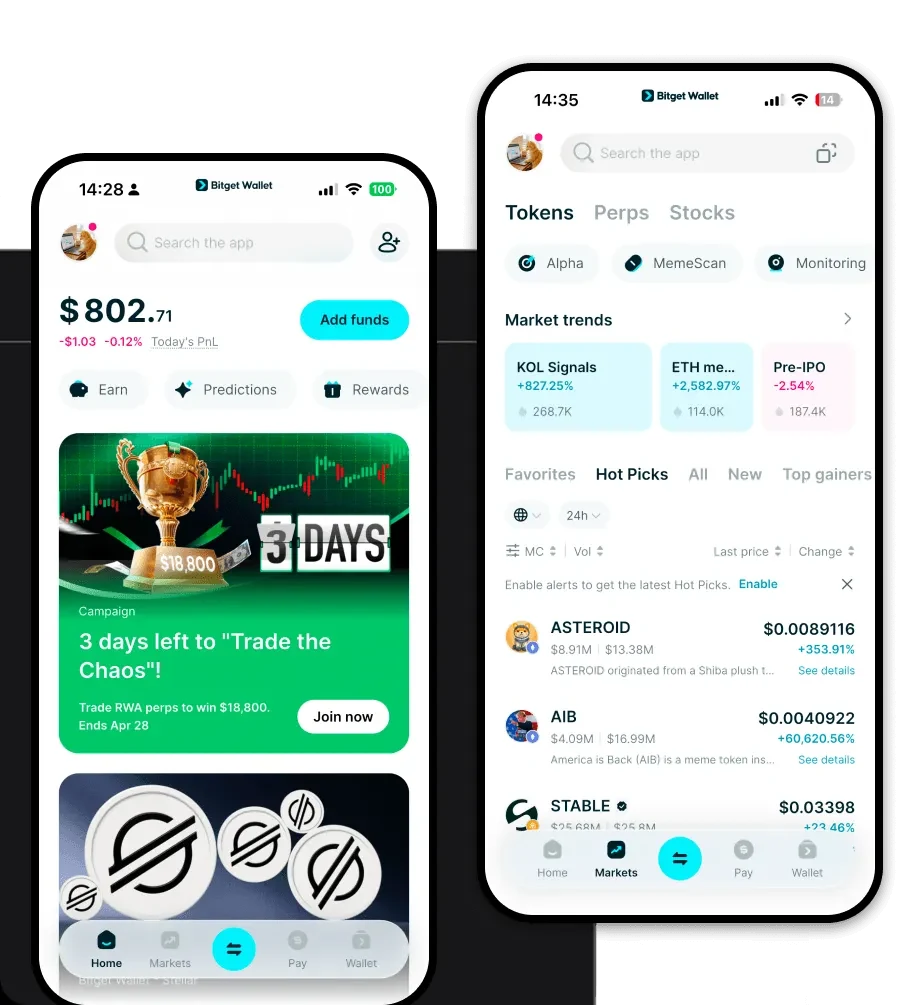
You can easily download Bitget Wallet across various platforms to suit your lifestyle. The application is fully optimized for iOS and Android mobile devices, and it also offers a powerful browser extension for desktop interaction. With broad support for over 130+ blockchains, Bitget Wallet acts as a unified hub where you can manage your stud tokens alongside thousands of other assets without needing to switch between different applications.
Why Choose Bitget stud Wallet?
When dealing with volatile meme-style tokens like stud, the choice of wallet is critical. Bitget Wallet stands out for its deep integration with the EVM ecosystem and its focus on user protection. Here is why it is the superior choice for stud holders:
- EVM Ecosystem Compatibility: Since stud operates on the EVM, Bitget Wallet provides native support for dApp interactions, allowing you to participate in liquidity experiments or governance voting directly from the app.
- Advanced Gas Fee Management: Manage your transaction costs effectively with real-time gas estimation, ensuring your trades go through even during periods of high network congestion.
- Enhanced Security Infrastructure: With a dedicated 300 million USD user protection fund, Bitget Wallet provides an extra layer of security that standard wallets often lack.
- Seamless DApp Integration: Access the Noxa Launchpad and other Web3 platforms effortlessly through the built-in DApp browser, keeping your experience smooth and uninterrupted.
How to Create a stud Wallet
Setting up your wallet is a straightforward process that grants you immediate access to your stud assets. Follow these steps to get started:
- Download and Install: Visit the official website to download Bitget Wallet for your specific device.
- Initialize Wallet: Open the app and select 'Create a New Wallet'.
- Secure Your Seed Phrase: You will be given a 12-to-24-word recovery phrase. Write this down on paper and store it offline; never share this with anyone, as it is the only way to recover your assets.
- Verify and Set Password: Complete the verification process and set a strong biometric or PIN password for daily access.
- Add stud to Your Assets: Once your wallet is set up, go to the asset management section, search for the stud token contract address (ensure it is the correct EVM address), and add it to your visible list to see your balance.
What Can You Do With a stud Wallet?
Your stud wallet is more than just a storage container; it is an active tool for participating in the project's ecosystem. Here are the primary use cases for your tokens:
- Trading: Use your wallet to connect to decentralized exchanges (DEXs) to swap stud for other tokens, leveraging the liquidity provided by the Noxa Launchpad ecosystem.
- Providing Liquidity: Participate in the experimental liquidity mechanisms mentioned in the project's roadmap by depositing your stud tokens into designated liquidity pools to earn potential rewards.
- Governance Voting: Utilize your wallet to sign transactions that allow you to participate in governance proposals, giving you a voice in how the stud community evolves.
- Speculative Investment: Hold your stud tokens securely in your wallet while monitoring market movements, using the wallet’s price tracking features to decide when to buy or sell.
How stud Wallets Are Different from Other Crypto Wallets
While many wallets support EVM tokens, the way a wallet handles these assets can vary significantly. Unlike older, legacy wallets that may struggle with custom token parameters or complex smart contract interactions, Bitget Wallet is built for the modern DeFi era.
Because stud is an EVM-based token, it utilizes an account-based model rather than the UTXO model found in Bitcoin. This means your wallet must be constantly synced with the network state to reflect your balance. Bitget Wallet excels here by offering real-time updates and low-latency interaction, which is crucial when engaging with AI-generated trading signals or time-sensitive liquidity opportunities. Furthermore, unlike wallets that charge exorbitant fees for simple swaps, Bitget aggregates liquidity from hundreds of DEXs, ensuring that your transactions are routed through the most cost-efficient paths, saving you significant amounts on gas fees over time.
