





What is a soup Wallet?
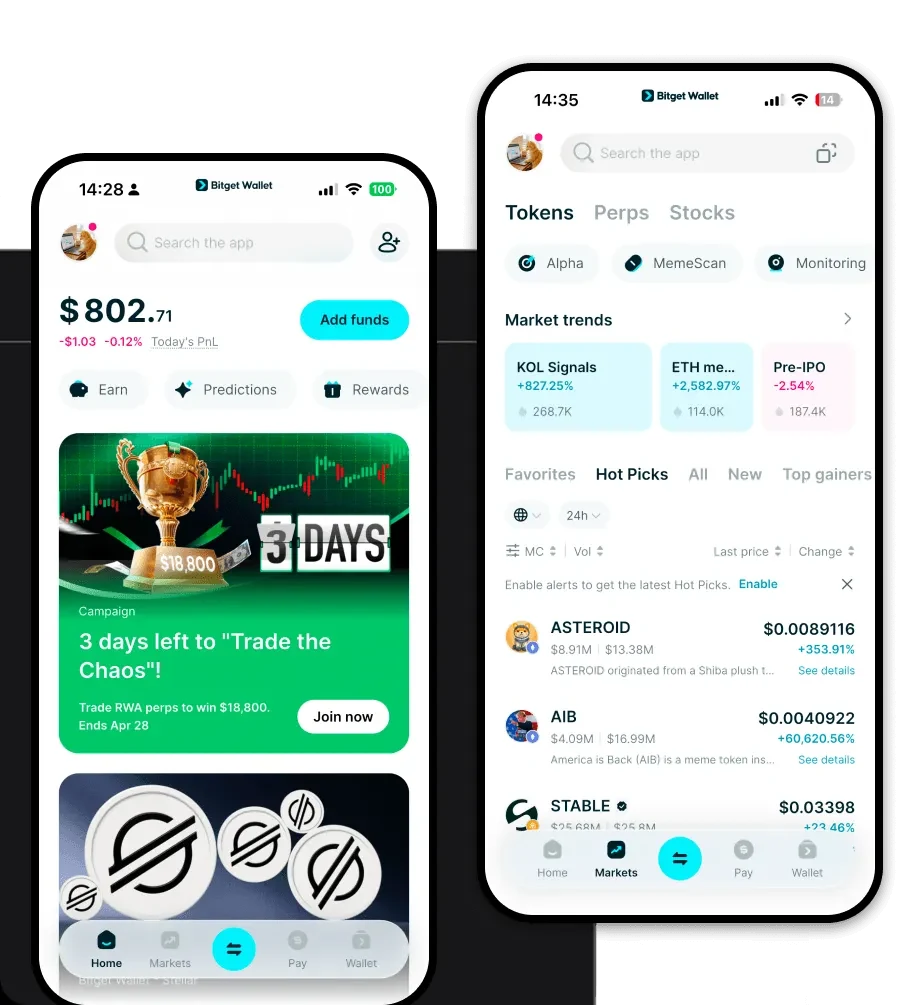
A soup wallet is a digital interface designed to interact with the blockchain, specifically tailored for managing your soup tokens. As a meme coin operating on the EVM (Ethereum Virtual Machine) blockchain, soup requires a wallet that seamlessly integrates with decentralized applications and smart contracts. Are you looking for a reliable and secure crypto wallet for your soup? Bitget Wallet will be your best choice. Trusted by 40 million users, you can freely explore Web3 on Bitget Wallet. Start your journey now! It provides the necessary infrastructure to hold, send, and receive your tokens while maintaining full control over your assets.
Download Bitget soup Wallet
Getting started with your soup wallet is a straightforward process that prioritizes user sovereignty. By choosing to download Bitget Wallet, you gain access to a platform that supports over 130 public chains and millions of tokens, ensuring that your soup assets are always compatible. Whether you prefer using an iOS or Android device, or a browser extension for your desktop, the wallet offers a unified experience. It is a non-custodial solution, meaning you hold your private keys, providing an essential layer of security for your meme coin holdings.
Why Choose Bitget soup Wallet?
When dealing with volatile meme coins on the EVM network, your choice of wallet significantly impacts your experience. Bitget Wallet stands out for several reasons:
- EVM Compatibility: Designed specifically for the EVM ecosystem, it allows for effortless interaction with decentralized exchanges and liquidity pools, which is critical for trading soup.
- Optimized Gas Management: The wallet provides real-time gas fee estimations, helping you execute trades during periods of high volatility without overpaying.
- Enhanced Security: With a 300 million USD protection fund, the platform adds a robust layer of security that traditional software wallets often lack.
- Community-Driven Features: The interface is optimized for tracking social media sentiment and trending assets, making it easier to stay ahead in the fast-paced meme coin market.
How to Create a soup Wallet
Setting up your wallet is the first step toward managing your assets independently. Follow these five steps:
- Step 1: Visit the official website to download Bitget Wallet for your preferred device (mobile or extension).
- Step 2: Open the app and select 'Create New Wallet' to generate a fresh address.
- Step 3: Carefully backup your secret recovery phrase. Never share this with anyone, as it is the only way to recover your funds.
- Step 4: Set a strong password or biometric lock to secure the app on your device.
- Step 5: Navigate to the 'Add Token' feature, search for the soup contract address on the EVM network, and import it to see your balance.
What Can You Do With a soup Wallet?
A soup wallet is more than just a storage space; it is a gateway to the broader ecosystem. Here is how you can utilize it:
- Speculative Trading: You can use your wallet to execute fast trades on decentralized exchanges, capitalizing on the high volatility of meme coins.
- Liquidity Provision on DEX: By connecting your wallet to a DEX, you can provide liquidity for soup trading pairs, allowing you to earn transaction fees.
- Community Participation: You can use the wallet to connect to community-driven platforms and DAOs to participate in governance or exclusive events.
- Holding for Long-Term Appreciation: The wallet acts as a secure vault for your long-term holdings, ensuring your assets remain safe from exchange-related risks.
- Cross-Platform Asset Transfers: With built-in bridge support, you can easily move your assets between different EVM-compatible chains to take advantage of various market opportunities.
How soup Wallets Are Different from Other Crypto Wallets
Unlike wallets designed for UTXO-based chains like Bitcoin, a soup wallet operating on the EVM uses an account-based model. This means your wallet tracks a single balance associated with your address, rather than managing multiple unspent transaction outputs. Furthermore, because soup is an EVM token, your wallet must handle smart contract interactions and gas fees, which are fundamentally different from the resource models used in chains like EOS. The Bitget interface simplifies these complexities, ensuring that even if you are new to the EVM ecosystem, you can interact with decentralized protocols without needing to understand the underlying technical nuances of smart contracts.
