





What is a QAU Wallet?
A QAU wallet is a specialized digital interface designed to interact with the QAU token on the EVM (Ethereum Virtual Machine) blockchain. Because QAU operates within the EVM ecosystem, it relies on standard Ethereum-based architecture, which ensures that your assets are compatible with a vast array of decentralized protocols. As QAU is a digital asset supported by Bitget Wallet, a secure and reliable platform trusted by 40 million users for exploring the Web3 ecosystem, users gain direct access to their holdings without the friction often associated with complex blockchain interactions.
Essentially, your QAU wallet acts as your personal gateway to the decentralized finance (DeFi) world. It holds your private keys, which serve as the digital signature for proving ownership and authorizing transactions on the network. Whether you are holding for the long term or actively engaging with DeFi protocols, having a robust wallet is the first step in your Web3 journey.
Download Bitget QAU Wallet
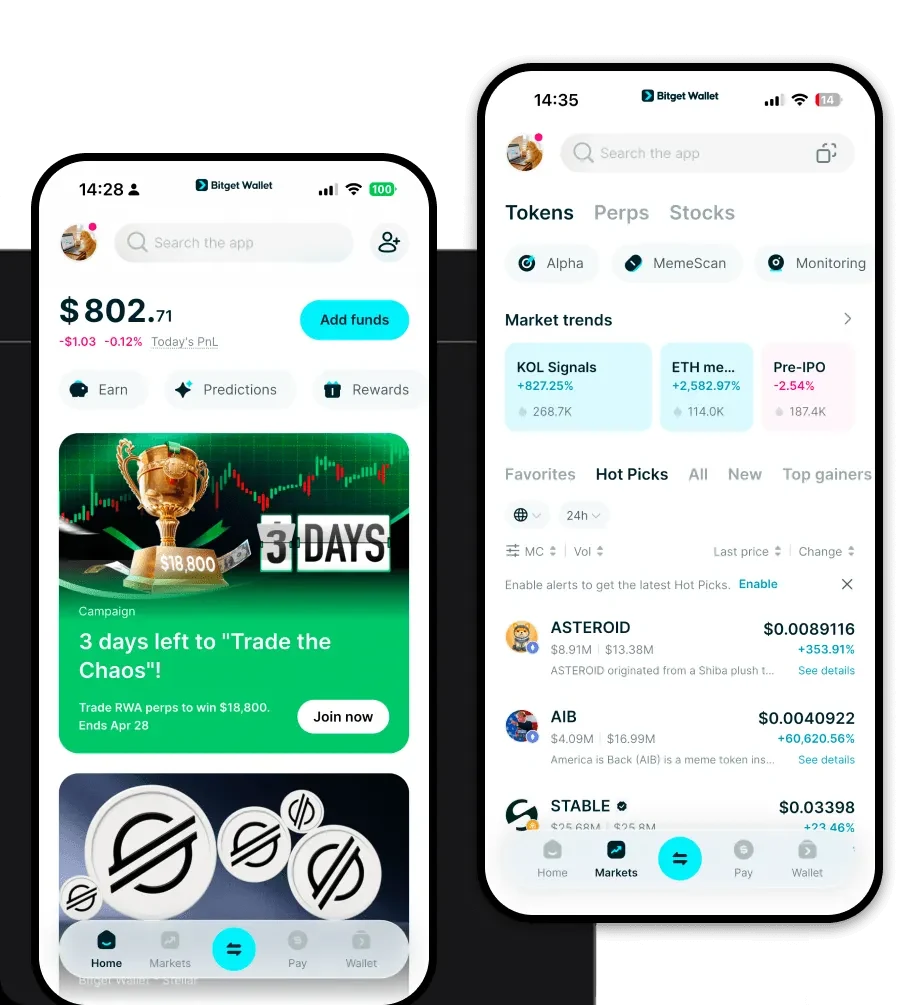
Getting started with your QAU journey is straightforward. To ensure you have the most secure experience, we recommend using a platform that bridges the gap between convenience and advanced security. You can download Bitget Wallet to access your assets across multiple devices, including iOS, Android, and browser extensions.
Bitget Wallet offers full self-custody, meaning you—and only you—have control over your private keys and recovery phrases. With support for over 130+ public chains, the application acts as a unified hub for your QAU and other EVM-based assets. By consolidating your portfolio into a single, cross-platform interface, you eliminate the need to switch between different apps for your trading and storage needs.
Why Choose Bitget QAU Wallet?
Choosing the right wallet for QAU is critical, especially when interacting with DeFi protocols on the EVM chain. Bitget Wallet stands out for several key reasons:
- Native EVM Compatibility: Designed specifically for EVM-based assets, the wallet ensures smooth interaction with smart contracts, allowing for seamless token approvals and gas fee management.
- High Liquidity Support: The wallet aggregates hundreds of DEXs and cross-chain bridges, ensuring you get the best possible prices and deep liquidity when swapping or trading your QAU tokens.
- Robust Asset Security: Backed by a $300 million user protection fund, Bitget Wallet provides an extra layer of security, safeguarding your assets against potential vulnerabilities.
- Optimized Gas Fee Management: The intelligent gas estimation engine helps you avoid overpaying for transactions, ensuring your DeFi activities remain cost-effective.
How to Create a QAU Wallet
Setting up your wallet takes only a few minutes. Follow these simple steps to start managing your QAU:
- Download and install the Bitget Wallet application from the official store or website.
- Open the app and select 'Create a New Wallet' to generate a unique set of recovery phrases.
- Back up your 12-word or 24-word recovery phrase immediately; write it down and keep it offline—never share it with anyone.
- Verify your recovery phrase within the app to ensure your backup is correct.
- Once the wallet is initialized, import or add the QAU contract address to your asset list to view your balance on the EVM network.
What Can You Do With a QAU Wallet?
Once your wallet is set up, you unlock the full potential of your QAU holdings. Here is how you can utilize your assets:
- Trading: Use the built-in DEX aggregator to swap QAU for other tokens instantly with minimal slippage and optimal routing.
- Storing Assets: Keep your QAU secure with industry-leading encryption and self-custodial storage, ensuring your tokens remain under your exclusive control.
- Portfolio Management: Track the real-time value and performance of your QAU holdings across different chains directly from your dashboard.
- Web3 dApp Interaction: Connect your wallet to various decentralized finance platforms to participate in yield farming, staking, or governance proposals within the DeFi ecosystem.
How QAU Wallets Are Different from Other Crypto Wallets
Managing QAU requires an understanding of how EVM-based wallets differ from other architectures. Unlike UTXO-based wallets (like Bitcoin), which track individual transaction outputs, EVM wallets use an 'Account Model.' This means your wallet functions more like a traditional bank account balance that updates with every transaction.
Because QAU is an EVM token, your wallet must handle gas fees paid in the native network currency (e.g., ETH or BNB). Bitget Wallet simplifies this by providing intuitive UI elements that warn you about potential gas spikes, unlike basic wallets that might fail transactions without explanation. Furthermore, the speed and cost efficiency of your QAU transactions are dictated by the underlying network congestion, but Bitget Wallet’s advanced routing helps mitigate these issues by automatically selecting the most efficient path for your trades.
