





What is an OpenHouse Wallet?
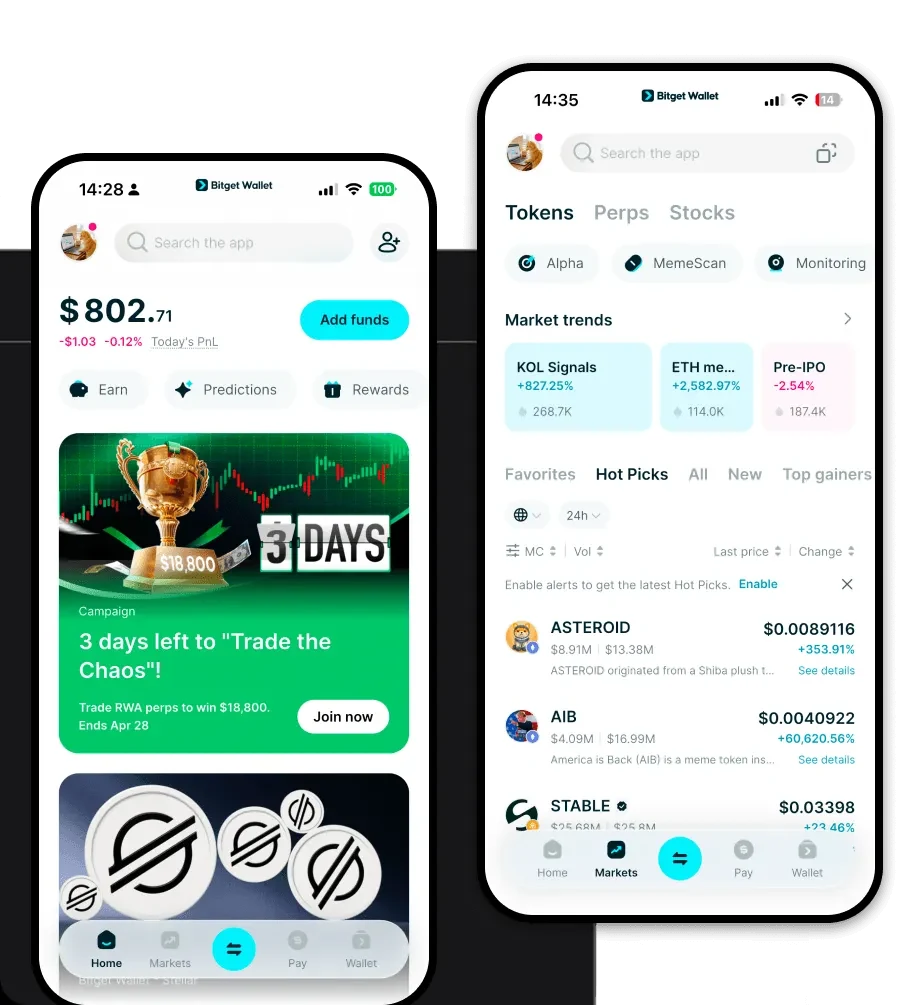
An OpenHouse wallet is a secure digital interface designed specifically to interact with the OpenHouse cryptocurrency asset. As an asset operating on the EVM (Ethereum Virtual Machine) ecosystem, OpenHouse requires a wallet that can seamlessly communicate with smart contracts, handle gas fees, and interact with decentralized applications (dApps) across the Ethereum network and its various Layer 2 scaling solutions. OpenHouse is a cryptocurrency asset supported by Bitget Wallet, designed for users to securely store, manage, and explore Web3 ecosystems. Bitget Wallet provides a reliable platform for managing OPENHOUSE tokens alongside 40 million other users.
Download Bitget OpenHouse Wallet
To start your journey with OpenHouse, you need a robust, non-custodial solution that prioritizes both security and accessibility. Bitget Wallet stands out by offering a comprehensive experience for every type of user, from beginners to experienced traders. By choosing to download Bitget Wallet, you gain access to a platform that supports over 130 public chains, ensuring that your OpenHouse tokens are never siloed. Whether you prefer the convenience of an iOS app, the flexibility of an Android interface, or the desktop-like experience of a browser extension, Bitget Wallet ensures your private keys remain under your sole control. This self-custodial approach is critical for the safety of your Meme token portfolio, giving you full sovereignty over your assets without relying on centralized exchanges.
Why Choose Bitget OpenHouse Wallet?
Selecting the right wallet is crucial, especially for Meme tokens that thrive on rapid market movements and community engagement. Here is why Bitget Wallet is the premier choice for OpenHouse holders:
- Native EVM Compatibility: Designed with the Ethereum Virtual Machine in mind, Bitget Wallet allows you to connect instantly to any EVM-based dApp, ensuring your OpenHouse transactions are processed with optimal gas fee settings.
- Advanced Decentralized Trading: The wallet aggregates liquidity from hundreds of DEXs, allowing you to find the best swap rates for OpenHouse without leaving the app.
- Community-Driven Ecosystem: With integrated social features and real-time market data, you can stay updated on the OpenHouse community sentiment and price trends directly within your wallet interface.
- Seamless Cross-Chain Interoperability: If you need to move your assets across different chains, the built-in cross-chain bridge makes bridging your OpenHouse tokens fast, affordable, and secure.
- Robust User Protection: Supported by a $300 million protection fund, Bitget Wallet adds an extra layer of security, giving you peace of mind while exploring high-risk, high-reward assets like OpenHouse.
How to Create an OpenHouse Wallet
Getting started with your OpenHouse wallet is straightforward. Follow these steps to set up your account:
- Download and Install: Visit the official Bitget Wallet website to download the application for your specific device (iOS, Android, or Chrome extension).
- Create a New Wallet: Open the app and select 'Create a Wallet.' You will be prompted to set a strong password for your local device access.
- Secure Your Seed Phrase: The app will generate a 12-word recovery phrase. Write this down on paper and store it in a safe, offline location—this is the master key to your OpenHouse assets.
- Verify Your Setup: Follow the on-screen prompts to verify your seed phrase, ensuring you have recorded it correctly.
- Import or Add OpenHouse: Once your wallet is active, go to the 'Add Token' section and search for OpenHouse using its contract address to ensure you are adding the correct asset to your dashboard.
What Can You Do With an OpenHouse Wallet?
An OpenHouse wallet is more than just a storage vault; it is a gateway to the Web3 economy. Here is how you can utilize your wallet:
- Trading: You can execute rapid swaps for OpenHouse against other assets on decentralized exchanges, taking advantage of the wallet’s integrated DEX aggregator to find the best liquidity pools.
- Holding: You can safely store your OpenHouse tokens for the long term, utilizing the wallet’s cold-storage-like security features to protect your holdings from online threats.
- Wallet Storage: You can manage your OpenHouse portfolio alongside other EVM tokens in one centralized, intuitive interface that simplifies portfolio tracking.
- Liquidity Provision: You can participate in DeFi protocols by contributing your OpenHouse tokens to liquidity pools, potentially earning rewards based on transaction fees generated within those ecosystems.
How OpenHouse Wallets Are Different from Other Crypto Wallets
Not all wallets handle tokens the same way. When managing an EVM-based Meme token like OpenHouse, the architecture of your wallet matters significantly. Unlike wallets designed for UTXO-based chains (like Bitcoin), which focus on managing unspent transaction outputs, a Bitget OpenHouse wallet is built on the account-based model. This allows for complex smart contract interactions, which are essential for trading Meme tokens on platforms like Uniswap or other DEXs. Furthermore, while some wallets struggle with gas fee estimation, Bitget Wallet’s integration with EVM chains ensures that you can adjust your gas settings to prioritize speed during high-volatility events, a common requirement for the fast-paced Meme coin market.
