





What is an ODT Wallet?
An ODT wallet is a digital tool designed to interact with the ODT token, an asset operating within the EVM (Ethereum Virtual Machine) ecosystem. Because ODT functions on EVM-compatible networks, you need a wallet that can interpret smart contracts, manage gas fees, and facilitate seamless token transfers across various decentralized protocols. ODT is a digital asset supported by Bitget Wallet, allowing users to securely manage, trade, and explore its ecosystem within the Web3 environment. Bitget Wallet provides a reliable platform for ODT holders to interact with decentralized applications and manage their holdings. By using a specialized wallet, you gain full control over your private keys, ensuring that your participation in the DeFi space remains private and secure.
Download Bitget ODT Wallet
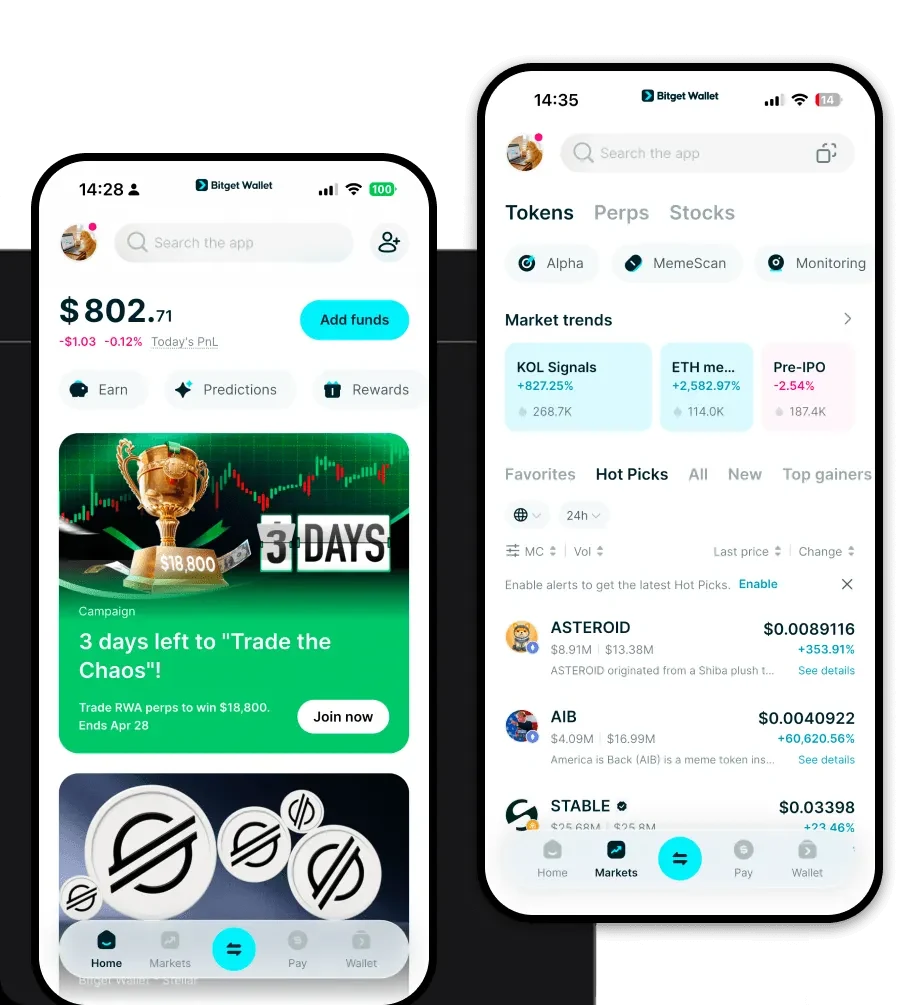
Getting started with your ODT journey requires a secure and versatile gateway. Bitget Wallet serves as an all-in-one hub that simplifies the complexities of Web3. Whether you are using a desktop browser or a mobile device, the platform offers a consistent experience. You can download Bitget Wallet to access your assets anytime, anywhere. The wallet is engineered for the modern user, featuring:
- Multi-Chain Support: Manage ODT alongside hundreds of other tokens across 130+ mainnets without switching apps.
- Private Key Self-Custody: You remain the sole owner of your assets, with no third-party interference.
- Cross-Platform Accessibility: Enjoy a seamless experience whether you are using the mobile app on iOS or Android, or the browser extension for desktop interactions.
Why Choose Bitget ODT Wallet?
When selecting the best wallet for ODT, Bitget Wallet stands out due to its deep integration with EVM-based DeFi protocols. Here is why it is the preferred choice for ODT holders:
- EVM Compatibility: Designed specifically for EVM chains, the wallet ensures that your ODT transactions are processed with optimal gas estimation and speed.
- High Liquidity Potential: Through its integrated DEX aggregator, the wallet connects you to deep liquidity pools, ensuring you get the best rates for your ODT trades.
- Decentralized Governance: Easily interact with on-chain governance proposals, allowing you to vote directly from your wallet interface without complex manual setups.
- Cross-Platform Interoperability: Seamlessly move your ODT across different networks or bridges, maintaining a unified view of your portfolio regardless of chain complexity.
How to Create an ODT Wallet
Setting up your ODT wallet is a straightforward process designed to prioritize both security and ease of use:
- 1. Install: Visit the official website or your app store to download Bitget Wallet.
- 2. Create/Import: Choose to 'Create a New Wallet' to generate a new set of keys, or 'Import' an existing wallet using your 12-word recovery phrase.
- 3. Secure Your Phrase: Write down your mnemonic recovery phrase and store it offline. Never share this with anyone.
- 4. Add ODT: Once the wallet is set up, use the 'Add Token' or 'Search' feature to find ODT. If it is a custom token, you can import it using the contract address.
- 5. Verify: Your ODT wallet address is now ready; you can copy it to start receiving funds or interacting with DApps.
What Can You Do With an ODT Wallet?
Holding ODT in a non-custodial wallet unlocks the full potential of DeFi. Here are the specific actions you can take:
- Trading on Decentralized Exchanges: Swap ODT instantly on platforms like Uniswap or SushiSwap directly through the built-in DApp browser.
- Providing Liquidity: Deposit your ODT into automated market maker (AMM) pools to help facilitate trades and earn transaction fee rewards.
- Staking for Rewards: Lock your ODT into protocol-specific staking contracts to earn passive yield or governance tokens.
- Governance Voting: Participate in the future of the project by casting your on-chain votes for protocol upgrades or treasury management decisions.
- Cross-Chain Transfers: Utilize the wallet's integrated bridges to move ODT from the primary network to secondary chains to take advantage of different ecosystem opportunities.
How ODT Wallets Are Different from Other Crypto Wallets
Unlike wallets designed for Bitcoin's UTXO (Unspent Transaction Output) model, an ODT wallet is specifically optimized for the account-based model used by EVM chains. While a Bitcoin wallet focuses on managing UTXOs, your ODT wallet must handle smart contract interactions, which require calculating gas fees based on computational complexity. Furthermore, because ODT is a DeFi asset, your wallet needs to be more than a storage unit; it must act as a browser for the DeFi ecosystem. Bitget Wallet excels here by providing a high-speed, low-friction interface that handles the heavy lifting of EVM interactions, ensuring that complex tasks like swapping or staking feel as simple as sending a standard transfer.
