


What is a gdp Wallet?
A gdp wallet is a digital interface designed to interact with the Ethereum Virtual Machine (EVM) blockchain, where the Global Data Protocol (GDP) token resides. Because GDP is built on EVM infrastructure, you do not need a proprietary, standalone application to store your tokens; instead, you require a versatile, self-custodial wallet that supports EVM-compatible assets. This allows you to manage your holdings, view your balance, and interact with the protocol's smart contracts directly.
To understand the utility of the wallet you choose, it is essential to understand the token itself. Global Data Protocol (GDP) is an independent experimental token, with the core team undisclosed and the community primarily promoted by individual accounts; the project is positioned as an on-chain data protocol, emphasizing data circulation and governance, targeting data providers, developers, and research institutions, with a vision to establish a verifiable data-sharing ecosystem. As an experimental protocol, having a reliable wallet is the first step toward engaging with its unique governance and data-sharing features.
Download Bitget gdp Wallet
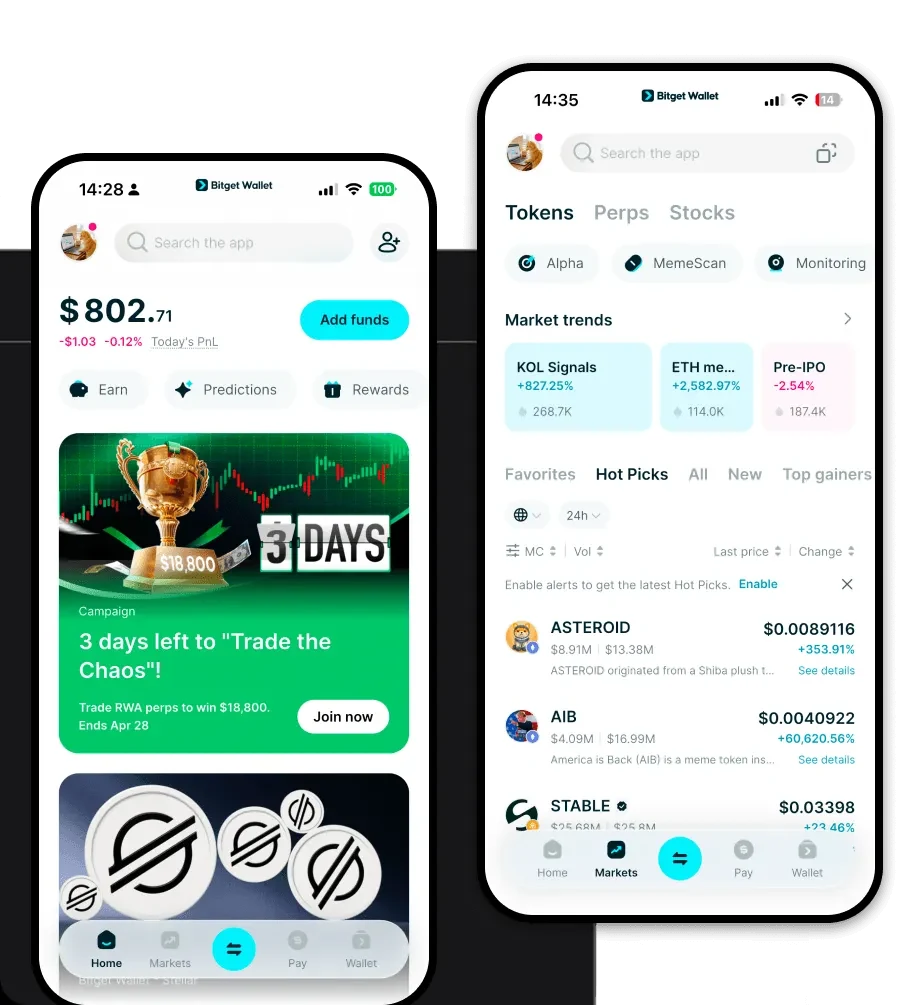
For users seeking a secure and feature-rich experience, the Bitget Wallet stands out as a premier choice. It offers a seamless bridge between your assets and the complex world of on-chain data protocols. Whether you are using a mobile device or a desktop browser, the Bitget Wallet app provides a unified experience.
To get started, you can download Bitget Wallet. This application is designed for the modern crypto user, offering:
- Multi-chain Support: Beyond just the EVM, it connects you to over 130 public chains, ensuring your portfolio is never siloed.
- True Self-Custody: You retain complete control over your private keys and seed phrases, ensuring that no third party holds your assets.
- Cross-Platform Accessibility: Whether you prefer the convenience of an iOS or Android app, or the browser extension for desktop interactions, the experience remains consistent and fluid.
By choosing this path, you are opting for a wallet that prioritizes user sovereignty while providing the tools necessary to navigate experimental protocols like GDP safely.
Why Choose Bitget gdp Wallet?
When selecting the best wallet for gdp, you need an environment that respects the nuances of the EVM ecosystem while providing top-tier security. Bitget Wallet is engineered to meet these specific requirements:
- Seamless EVM Integration: Since GDP operates within the EVM ecosystem, Bitget Wallet provides native support for contract interactions, ensuring you can execute transactions without compatibility hurdles.
- Robust Security Architecture: With a 300 million USD user protection fund, Bitget Wallet adds a crucial layer of security, which is vital when interacting with experimental protocol architectures.
- Integrated DApp Browser: The built-in DApp browser allows you to connect directly to the Global Data Protocol interfaces, making it easier to participate in governance or data-sharing activities without leaving the app.
- Smart Liquidity Aggregation: Bitget aggregates hundreds of DEXs and cross-chain bridges, ensuring that if you decide to trade your GDP tokens, you get the best possible execution rates.
How to Create a gdp Wallet
Setting up your wallet to hold GDP is a straightforward process that grants you full ownership. Follow these steps to get started:
Step 1: Visit the official website and download Bitget Wallet for your preferred device (iOS, Android, or Chrome extension).
Step 2: Open the app and select 'Create Wallet'. You will be asked to set a strong, unique password for the application.
Step 3: Securely back up your mnemonic phrase (seed phrase). This is the most critical step; write it down on paper and store it in a safe, offline location. Never share this with anyone.
Step 4: Once your wallet is initialized, the EVM network will be active by default. You do not need to perform complex network configurations to hold GDP.
Step 5: To view your tokens, select 'Add Token' and input the official contract address of the GDP token. Once added, your gdp wallet address will be ready to receive and send tokens.
What Can You Do With a gdp Wallet?
Holding GDP in a secure, self-custodial wallet opens up a variety of utility-focused actions within the infrastructure ecosystem. Here is how you can utilize your holdings:
- Governance Voting: You can directly interact with the protocol’s governance smart contracts, allowing you to cast votes on proposals that shape the future of the Global Data Protocol.
- Data Protocol Participation: Use your wallet to connect to the protocol’s interface, enabling you to contribute to or access the verifiable data-sharing ecosystem.
- Speculative Trading: By connecting your wallet to aggregated decentralized exchanges (DEXs), you can trade GDP tokens for other assets, leveraging the liquidity provided by the platform.
- Community-driven Ecosystem Development: As an experimental project, your long-term holding and active participation in the community contribute to the overall resilience and growth of the project's architecture.
How gdp Wallets Are Different from Other Crypto Wallets
It is important to distinguish why a wallet like Bitget is optimized for a token like GDP compared to other, more rigid crypto wallets. The primary difference lies in the EVM compatibility and the handling of smart contract interactions.
Unlike wallets designed for UTXO-based chains (like Bitcoin), which focus primarily on simple value transfer and security through cold storage, an EVM-focused wallet like Bitget is designed for high-frequency interaction with decentralized applications. Because GDP is an infrastructure token, you need a wallet that can handle the complexities of on-chain data circulation and decentralized governance calls. Furthermore, while some wallets struggle with managing custom token contracts or experimental architecture, Bitget Wallet’s interface is built to dynamically recognize and interact with these assets, providing a smoother experience for users engaging with emerging protocols.
