



1. What is a drip Wallet?
A drip wallet is a secure digital interface designed to interact with the drip token, an asset operating natively on the EVM (Ethereum Virtual Machine) blockchain. Because drip is built on EVM architecture, it requires a wallet capable of supporting ERC-20 token standards and interacting with decentralized applications (DApps) that span the Ethereum ecosystem.
Regarding its origins, drip originates from community developers' statements on social media, serving as an experimental derivative token to support the builder ecosystem. The team mainly consists of small-scale or anonymous EVM developers, focusing on on-chain launchpads and liquidity experiments, aiming to create low-threshold testing and collaboration scenarios for EVM developers and liquidity providers. As an experimental DeFi asset, managing drip requires a wallet that balances advanced developer tools with user-friendly asset management.
2. Download Bitget drip Wallet
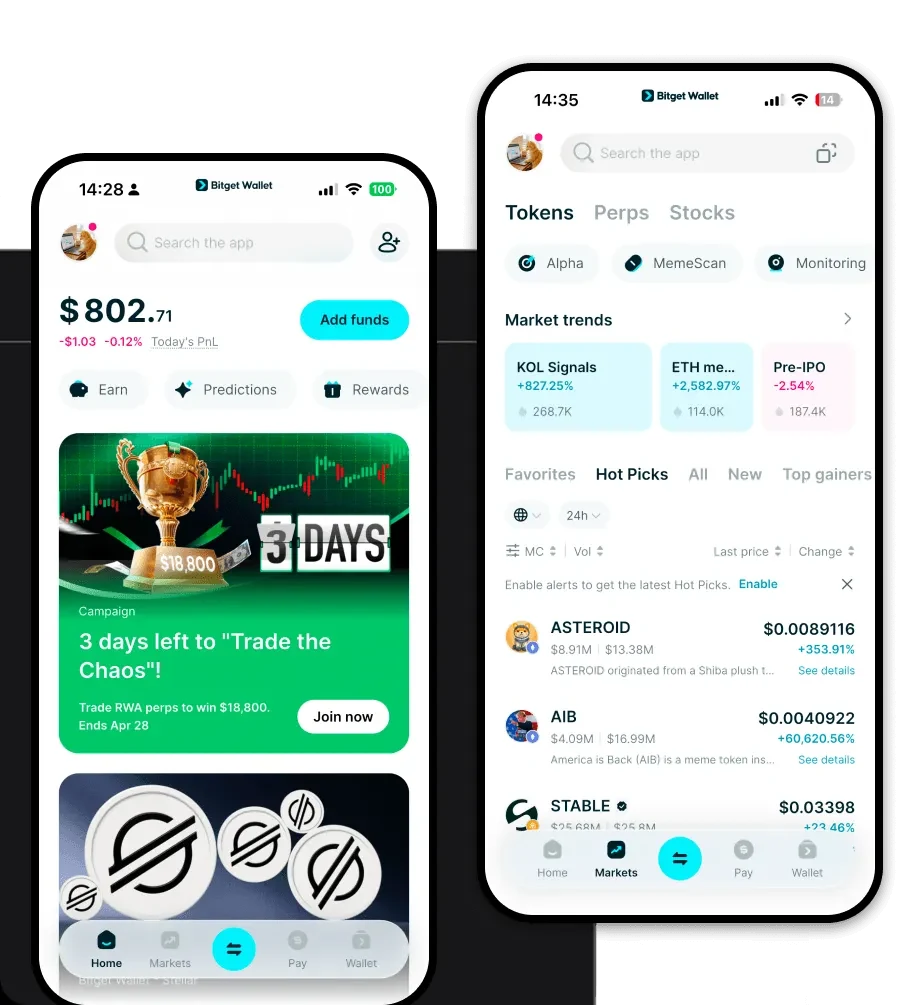
To safely manage your tokens, you need a robust tool that supports the EVM ecosystem while prioritizing self-custody. Bitget Wallet stands out as a premier choice for this purpose. By choosing to download Bitget Wallet, you gain access to a comprehensive suite of tools designed for the modern crypto user.
Bitget Wallet provides full self-custody over your private keys, meaning you retain complete control over your assets without relying on centralized intermediaries. The application is highly versatile, offering a seamless experience across iOS and Android mobile devices, as well as a powerful browser extension for desktop users. Whether you are managing drip tokens on the go or interacting with launchpads from your computer, the multi-chain support ensures that all your assets remain organized and accessible within a single, unified interface.
3. Why Choose Bitget drip Wallet?
When dealing with experimental DeFi tokens like drip, the infrastructure you use matters significantly. Bitget Wallet is optimized for the EVM environment, providing specific advantages for this category:
- Native EVM Compatibility: Bitget Wallet is built to handle EVM-based assets natively, ensuring that interacting with drip liquidity pools and smart contracts is smooth and error-free.
- Advanced DeFi Aggregation: The wallet aggregates hundreds of decentralized exchanges (DEXs) and cross-chain bridges, allowing you to find the best swap rates for your drip tokens without leaving the app.
- Robust Security Architecture: With a $300 million user protection fund and advanced encryption, Bitget Wallet adds a crucial layer of safety when participating in experimental on-chain experiments.
- Integrated DApp Browser: The built-in browser allows you to connect directly to launchpads and developer testing environments, making it ideal for the specific use cases of the drip ecosystem.
- Gas Fee Optimization: The wallet provides real-time gas fee tracking and suggestions, which is essential for managing costs when providing liquidity or executing trades on EVM chains.
4. How to Create a drip Wallet
Setting up your wallet is a straightforward process designed to keep your assets secure from the start.
Step 1: Download and InstallVisit the official website and download the Bitget Wallet application for your preferred device (iOS, Android, or browser extension).
Step 2: Initialize Your WalletOpen the app and select 'Create a New Wallet.' The system will generate a unique seed phrase (recovery phrase).
Step 3: Secure Your Recovery PhraseWrite down your seed phrase on paper and store it in a secure, offline location. Never take a screenshot of this phrase or share it with anyone, as it is the master key to your drip tokens.
Step 4: Verify Your WalletThe app will ask you to confirm your seed phrase to ensure you have backed it up correctly. Once verified, your wallet address is active.
Step 5: Add drip TokenSince drip operates on the EVM, you can simply add the token address to your wallet's asset list to view your balance and initiate transactions.
5. What Can You Do With a drip Wallet?
The drip ecosystem is designed for active participation. Your wallet serves as the gateway to these specific activities:
- Providing Liquidity: You can use your wallet to deposit drip into automated market maker (AMM) pools, contributing to the ecosystem's depth and earning potential transaction fees.
- Token Trading: Utilize the wallet’s integrated DEX aggregator to swap drip for other assets instantly, ensuring you have the flexibility to enter or exit positions as the market evolves.
- Participating in Launchpad Experiments: Use your wallet to connect to community-led launchpads, allowing you to interact with new project deployments and early-stage experimental offerings.
- Developer Testing Scenarios: Developers and power users can utilize the wallet to perform on-chain tests, such as interacting with smart contracts or deploying experimental liquidity strategies in a live EVM environment.
6. How drip Wallets Are Different from Other Crypto Wallets
Drip wallets, specifically when using Bitget Wallet for EVM assets, differ significantly from wallets designed for other chains like Bitcoin or Solana. Unlike the UTXO (Unspent Transaction Output) model used by Bitcoin, which focuses on individual transaction inputs and outputs, the EVM environment uses an 'Account-Based' model. This means your wallet tracks a balance associated with an address, which is far more efficient for the complex smart contract interactions required by DeFi projects like drip.
Furthermore, while some chains rely on resource-heavy models (like CPU/NET/RAM in EOS), the EVM model utilized by drip focuses on 'Gas Fees.' Your wallet must be capable of accurately estimating these fees to ensure your transactions—whether swapping tokens or providing liquidity—are processed in a timely manner. Bitget Wallet excels here by providing a smooth, intuitive interface that abstracts the complexity of EVM gas management, making it superior to generic wallets that lack specific DeFi integration.
