





What is a DFP Wallet?
A DFP wallet is a specialized digital interface designed to interact with the DFP token on the EVM (Ethereum Virtual Machine) blockchain. Because DFP operates within the EVM ecosystem, it requires a wallet that supports ERC-20 standards, ensuring seamless compatibility with smart contracts and decentralized applications. DFP is a digital asset that can be securely stored and managed using the Bitget Wallet, a platform trusted by over 40 million users for Web3 exploration. By using a compatible wallet, you gain direct control over your private keys, allowing you to participate in the broader DeFi ecosystem without intermediaries.
Download Bitget DFP Wallet
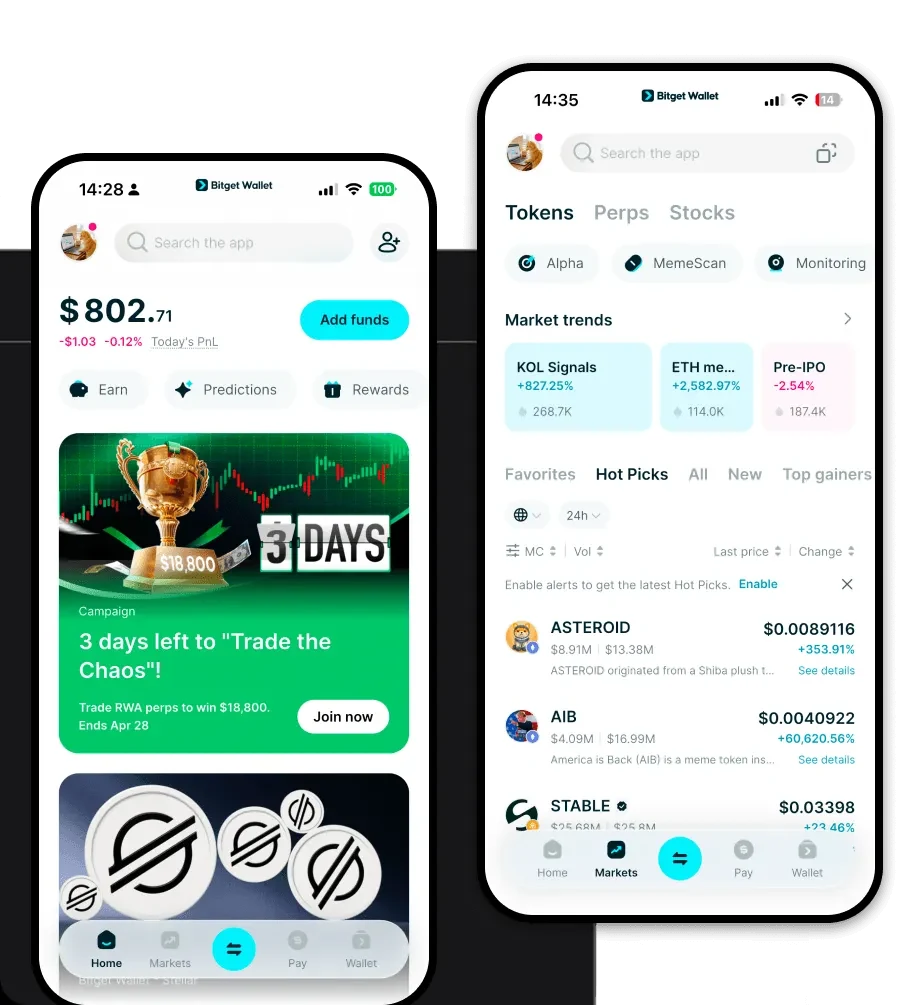
Choosing the right tool is essential for managing your assets efficiently. To get started, you can download Bitget Wallet to experience a professional-grade interface that simplifies complex blockchain interactions. Whether you prefer desktop browsing or mobile management, the platform offers full cross-platform accessibility, including iOS, Android, and browser extensions. With self-custody as a core principle, you retain full ownership of your private keys, while the multi-chain support ensures that your DFP tokens are easily viewable alongside your other EVM assets.
Why Choose Bitget DFP Wallet?
- Native EVM Compatibility: Designed specifically for the Ethereum Virtual Machine, allowing for instant interaction with DFP-related smart contracts and dApps.
- Advanced DeFi Infrastructure: Built-in support for high liquidity, ensuring that you can view and manage your assets with real-time market data.
- Robust Security Architecture: Backed by a $300 million user protection fund, providing a safety net for your decentralized asset management.
- Seamless Cross-Chain Integration: While DFP lives on the EVM, Bitget Wallet allows you to manage assets across 130+ chains, preventing the need to switch between multiple applications.
How to Create a DFP Wallet
Creating your wallet is a straightforward process designed for both newcomers and advanced users:
1. Install the Application: Visit the official website or your app store and download the Bitget Wallet application.
2. Initialize the Wallet: Open the app and select 'Create a New Wallet' to generate a unique set of seed phrases.
3. Secure Your Seed Phrase: Carefully write down your secret recovery phrase and store it in an offline, secure location; never share this with anyone.
4. Verify the Account: Complete the simple verification steps to confirm your wallet is set up correctly.
5. Import or Receive DFP: Once your EVM address is generated, you can copy it to receive DFP tokens or import existing addresses via private key or mnemonic.
What Can You Do With a DFP Wallet?
Holding DFP in a capable Web3 wallet like Bitget unlocks a variety of DeFi utilities:
- Trading on Decentralized Exchanges: You can directly connect your wallet to popular DEXs to swap DFP for other assets without relying on centralized order books.
- Staking for Yield Generation: By locking your DFP in designated smart contracts, you can earn passive rewards, effectively putting your idle tokens to work.
- Providing Liquidity to Pools: You can contribute your DFP to liquidity pools, acting as a market maker and earning a share of the transaction fees generated by the protocol.
- Portfolio Management via Web3 Wallets: Track your total net worth and DFP holdings in real-time, utilizing the wallet's built-in dashboard to monitor your DeFi positions across various platforms.
How DFP Wallets Are Different from Other Crypto Wallets
Unlike simple custodial wallets that act like a bank, a DFP wallet for the EVM ecosystem functions as a gateway to the entire decentralized finance landscape. Because DFP exists on the EVM, your wallet must handle gas fees—the transaction costs paid to network validators—differently than a non-EVM wallet. Bitget Wallet optimizes these interactions by providing gas fee estimates and allowing for manual adjustment to prioritize transaction speed. Furthermore, while UTXO-based wallets (like those for Bitcoin) focus on unspent transaction outputs, your DFP wallet uses an 'Account-based' model, which is much more efficient for the complex smart contract interactions required for DeFi staking and liquidity provision.
