





What is a DAS Wallet?
DAS (Decentralized Account Systems) is a blockchain-based decentralized account system that provides users with cross-chain, human-readable, and decentralized identity identifiers. Unlike traditional wallet addresses consisting of long, confusing strings of alphanumeric characters, DAS allows you to use a simplified, readable format for your digital identity. As an infrastructure-focused protocol operating across various chains, DAS serves as a universal address for your crypto wallets, enabling seamless multi-chain asset management. By integrating with leading platforms like Bitget Wallet, users can safely store, manage, and utilize their DAS identities without compromising on security or control.
Download Bitget DAS Wallet
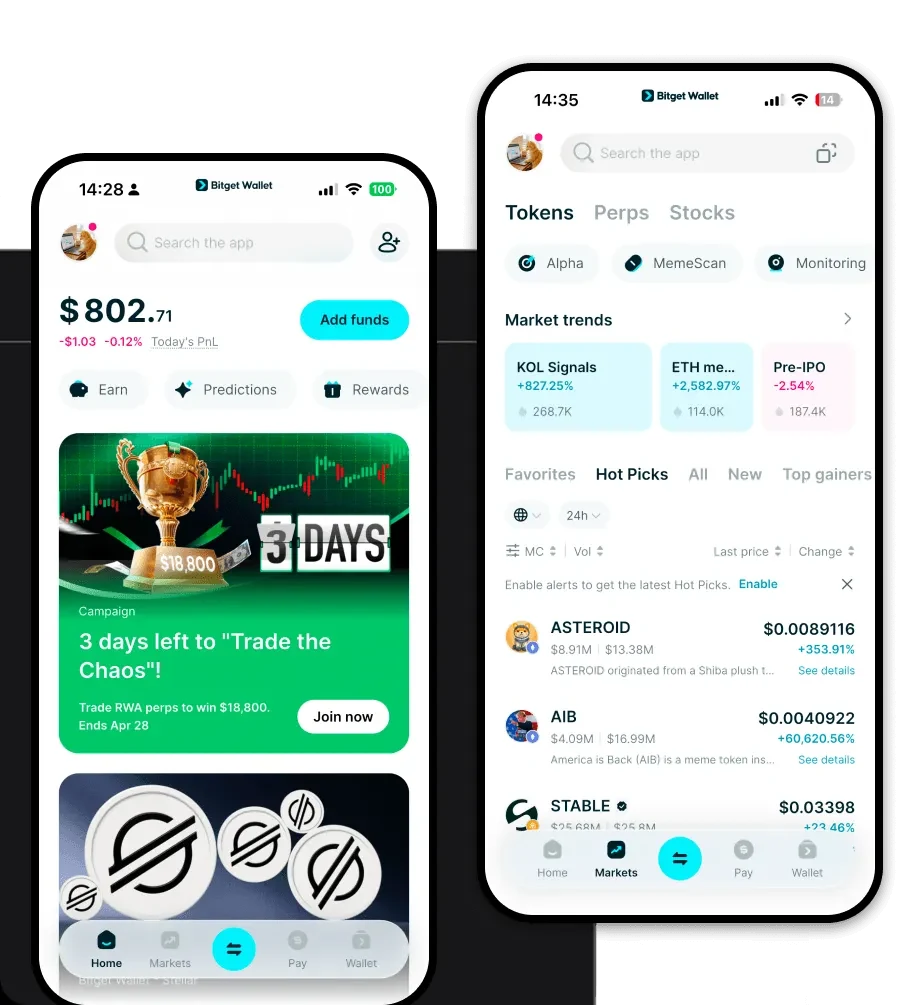
To experience the full potential of your DAS identity, you need a secure and versatile gateway. We recommend you download Bitget Wallet to get started. Bitget Wallet provides a robust, self-custodial environment where you maintain full ownership of your private keys and digital assets. Whether you are using an iOS device, an Android smartphone, or a desktop browser extension, the wallet offers a unified experience. It is designed to handle the complexities of multi-chain ecosystems, ensuring that your DAS identity remains accessible and secure across your various interactions in the Web3 space.
Why Choose Bitget DAS Wallet?
Choosing the right wallet for your decentralized identity is critical for both security and ease of use. Bitget Wallet stands out for its deep integration with infrastructure protocols like DAS:
- Comprehensive Multi-Chain Support: Bitget Wallet aggregates hundreds of DEXs and cross-chain bridges, making it the perfect companion for a cross-chain DID like DAS.
- Enhanced Security Infrastructure: With a $300 million user protection fund, your assets and decentralized identities are backed by institutional-grade safety protocols.
- Seamless DID Integration: The wallet is optimized to recognize and resolve decentralized domain names, making your transactions as simple as sending an email.
- User-Centric Asset Management: The intuitive interface allows you to toggle between multiple chains without manual network switching, perfect for managing complex portfolios associated with your DAS account.
How to Create a DAS Wallet
Setting up your wallet to support your DAS identity is straightforward and takes only a few minutes:
- Step 1: Download and install the Bitget Wallet application from the official website.
- Step 2: Create a new wallet or import an existing one using your 12-word mnemonic phrase.
- Step 3: Secure your wallet by setting up a strong password and backing up your recovery phrase in a safe, offline location.
- Step 4: Navigate to the 'DApp' or 'Market' section within the wallet to interact with the DAS protocol and register or link your decentralized domain.
- Step 5: Configure your DAS address as your primary profile to start receiving assets and managing your Web3 identity across supported chains.
What Can You Do With a DAS Wallet?
A DAS wallet is more than just a storage tool; it is your gateway to the decentralized web. Here is how you can utilize your DAS identity:
- Managing multi-chain assets: You can consolidate your holdings from various blockchains under a single, human-readable identity, simplifying your asset oversight.
- Sending and receiving crypto: Instead of copying complex addresses, you can simply share your DAS name to receive funds across different supported chains.
- Web3 identity verification: Use your DAS as a secure and portable login method for various decentralized applications, proving ownership without sharing sensitive personal data.
- Decentralized domain registration: Actively participate in the ecosystem by registering, trading, or managing unique decentralized domains directly through your wallet interface.
- Portfolio management: Keep track of your net worth and asset allocation across the entire Web3 ecosystem using your unified DAS identity as the primary anchor.
How DAS Wallets Are Different from Other Crypto Wallets
Unlike standard wallets that focus solely on holding tokens for a single blockchain like Ethereum or Bitcoin, a DAS wallet is fundamentally an infrastructure tool for identity. While standard wallets rely on complex, machine-readable hexadecimal addresses, a DAS-enabled wallet focuses on human-readable abstraction. Because DAS operates as a cross-chain DID protocol (classified as 'Other' rather than a standard EVM or UTXO chain), it does not rely on the specific gas or resource models of a single network. Instead, it provides a layer of interoperability that sits above existing chains, allowing you to use your identity across different ecosystems while maintaining a consistent and recognizable presence, regardless of the underlying blockchain technology.
