





1. What is a CMUX Wallet?
A CMUX wallet is a digital interface designed to securely hold, manage, and interact with Manaflow (CMUX) tokens. Manaflow (CMUX) is an experimental derivative token designed for coding and orchestrating intelligent agents. Originating from open-source terminals and community extensions, it aims to facilitate interaction, collaboration, and expansion within AI and CLI orchestration ecosystems through tokenized incentives and decentralized governance. Because CMUX operates on the EVM (Ethereum Virtual Machine) blockchain, a compatible wallet is essential for executing smart contract interactions and managing your assets within the decentralized ecosystem.
2. Download Bitget CMUX Wallet
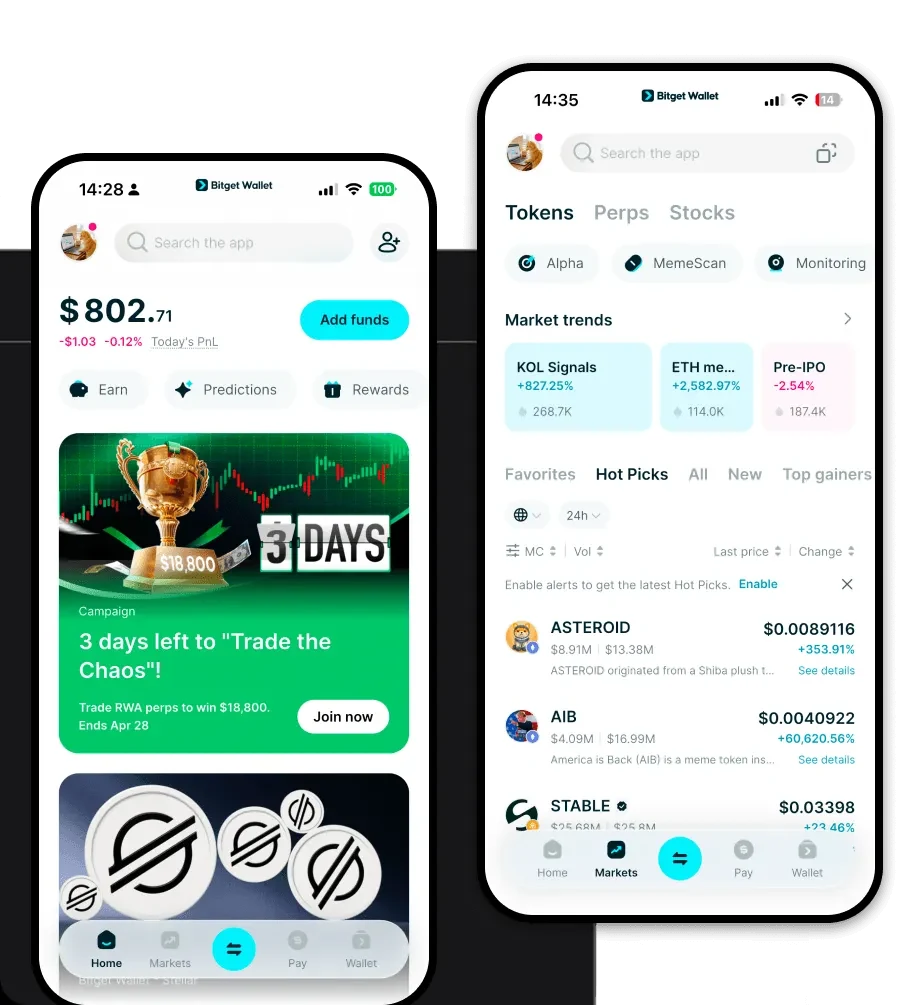
To start managing your CMUX tokens, you need a robust, self-custodial interface. Bitget Wallet provides a comprehensive solution for users looking to engage with the EVM ecosystem. It is designed for total asset control, ensuring that only you hold your private keys. The platform offers a seamless experience across iOS, Android, and browser extensions, allowing you to manage your portfolio on the go or from your desktop. You can download Bitget Wallet to access a multi-chain environment that supports over 130 blockchains, ensuring full compatibility with your CMUX assets.
3. Why Choose Bitget CMUX Wallet?
As an infrastructure-focused token on the EVM, CMUX requires a wallet that understands the intricacies of smart contract execution and gas management. Here is why Bitget Wallet stands out:
- EVM Ecosystem Integration: Bitget Wallet offers native support for EVM-based tokens, providing a smooth experience for interacting with dApps and decentralized protocols without compatibility issues.
- Advanced Gas Fee Optimization: The wallet features intelligent gas fee estimation and acceleration tools, allowing you to manage transaction costs effectively—a critical factor when interacting with AI agent orchestration protocols.
- Robust Security Framework: Backed by a $300 million user protection fund, the wallet provides institutional-grade security, including MPC (Multi-Party Computation) technology to mitigate single-point-of-failure risks.
- DApp Browser & CLI Compatibility: With its integrated DApp browser, you can easily connect to decentralized frontends and CLI-based tools, aligning perfectly with the technical nature of the Manaflow ecosystem.
4. How to Create a CMUX Wallet
Setting up your wallet to support CMUX is straightforward. Follow these steps to get started:
- Download and Install: Visit the official Bitget Wallet website and download the application for your preferred device (mobile or browser extension).
- Create a New Wallet: Open the app and select 'Create a Wallet.' Ensure you back up your 12-word seed phrase securely—never store it digitally.
- Verify and Setup: Follow the on-screen prompts to verify your seed phrase, which confirms your ownership of the private keys.
- Add CMUX Token: Since CMUX is an EVM token, you can simply click 'Add Token' and paste the contract address to view your balance.
- Connect and Transact: Once configured, your wallet address is ready to receive CMUX or interact with any EVM-compatible decentralized application.
5. What Can You Do With a CMUX Wallet?
Holding CMUX in a secure wallet opens up several functional pathways within the Manaflow ecosystem:
- Governance Voting: You can use your CMUX tokens to participate in decentralized governance, casting votes on proposals that shape the future of the Manaflow project.
- Incentivizing Agent Development: Utilize your tokens to provide rewards or incentives for developers contributing to the intelligent agent orchestration ecosystem.
- Trading: Engage in seamless token swaps via the built-in DEX aggregators in Bitget Wallet, allowing for efficient liquidity access and asset conversion.
- Community Ecosystem Participation: Use your wallet to authenticate your involvement in community extensions and open-source projects, directly linking your identity to your contribution history.
6. How CMUX Wallets Are Different from Other Crypto Wallets
Unlike wallets designed for BTC or UTXO-based chains, a CMUX wallet operates within the EVM account model. This means it tracks balances based on addresses rather than unspent transaction outputs, allowing for complex smart contract states. Furthermore, because CMUX is an infrastructure token, the wallet must handle frequent interactions with decentralized protocols. Unlike simple storage wallets, a Bitget CMUX wallet acts as a gateway to execution. It manages 'gas'—the fee required to process transactions on the EVM—and provides a user-friendly layer over the technical complexities of CLI tool integration, ensuring that even non-technical users can participate in AI agent orchestration.
