





What is a Chinkerbel Wallet?
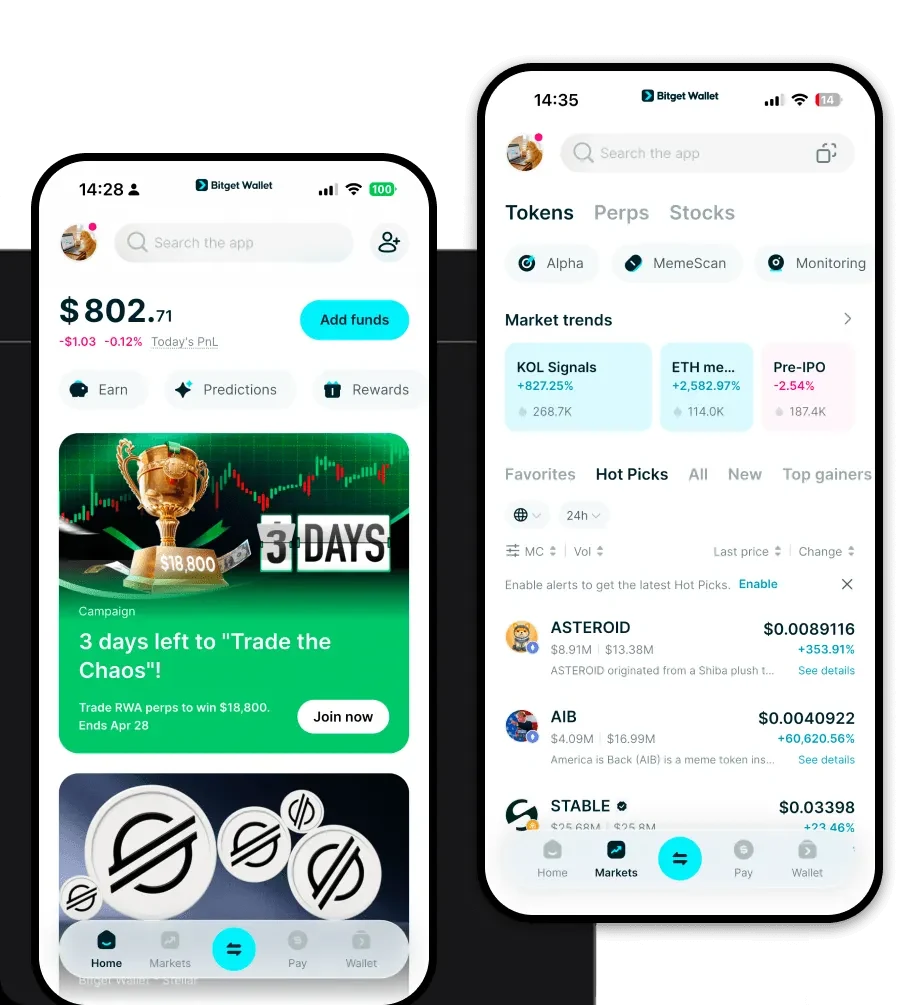
A Chinkerbel wallet is a digital gateway designed to store, send, and manage your Chinkerbel tokens, which operate on the EVM (Ethereum Virtual Machine) blockchain. Because Chinkerbel is a meme-based asset, having a wallet that supports the vast EVM ecosystem is crucial for seamless interaction with decentralized applications and token swaps. Are you looking for a reliable and secure crypto wallet for your Chinkerbel? Bitget Wallet will be your best choice. Trusted by 40 million users, you can freely explore Web3 on Bitget Wallet. Start your journey now!
Download Bitget Chinkerbel Wallet
Getting started with your Chinkerbel journey is simple. Whether you are a desktop power user or a mobile-first trader, Bitget Wallet offers a comprehensive solution. You can download Bitget Wallet to access a platform that supports over 130 public chains, ensuring you are never locked into a single ecosystem. The wallet features full self-custody, meaning you hold your private keys and maintain complete control over your assets. Available as an intuitive mobile app for iOS and Android, as well as a robust browser extension, it provides a consistent experience across all your devices.
Why Choose Bitget Chinkerbel Wallet?
- Native EVM Compatibility: Designed specifically for the Ethereum Virtual Machine, allowing you to easily interact with decentralized exchanges and meme-focused liquidity pools without configuration hurdles.
- Advanced Security Infrastructure: Benefit from a $300 million protection fund and enterprise-grade encryption that guards your speculative assets against common vulnerabilities.
- Optimized for Meme Trading: Features lightning-fast transaction speeds and real-time market data integration, essential for navigating the high volatility often seen in meme token markets.
- Seamless DApp Integration: Connect your wallet to various decentralized finance protocols and NFT marketplaces with a single click, perfectly suited for a community-driven ecosystem.
How to Create a Chinkerbel Wallet
1. Download and Install: Visit the official website to download the Bitget Wallet application or browser extension.
2. Initialize Wallet: Open the app and select 'Create a New Wallet.' Set a strong, unique password to secure your local device.
3. Backup Your Seed Phrase: Carefully write down your 12-24 word recovery phrase and store it offline; this is the only way to recover your funds.
4. Import or Add Token: Since Chinkerbel is an EVM token, you may need to add the contract address manually if it does not appear automatically, ensuring you are connected to the correct network.
5. Start Transacting: Deposit your base currency (like ETH or BNB) to cover gas fees, then you are ready to trade or hold your Chinkerbel tokens.
What Can You Do With a Chinkerbel Wallet?
Trading: Execute swaps on decentralized exchanges instantly, taking advantage of the high liquidity often found in meme coin pairs.
Holding for Appreciation: Store your tokens securely in a self-custodial environment while waiting for market sentiment to shift in your favor.
Liquidity Provision: Participate in decentralized finance by providing your Chinkerbel tokens to liquidity pools, potentially earning rewards from trading fees.
Social Tipping: Utilize your wallet to send tokens directly to other community members, fostering engagement and supporting the creators behind the project.
Community Participation: Use your wallet to connect to project-specific DAOs or governance platforms, allowing you to vote on community-driven initiatives.
How Chinkerbel Wallets Are Different from Other Crypto Wallets
Unlike wallets designed for UTXO-based chains (like Bitcoin), an EVM-compatible wallet like Bitget uses an account-based model. This means your wallet address acts as an account that holds a balance and interacts with smart contracts directly. While UTXO wallets focus on transaction inputs and outputs, your Chinkerbel wallet focuses on executing complex programmable logic, such as swapping meme tokens on a DEX. Furthermore, because you are operating on the EVM, you must manage 'gas'—the transaction fee paid to network validators—which is a distinct requirement compared to chains that use resource models like RAM or CPU staking.
