




What is a Cella Wallet?
A Cella wallet is a secure digital interface designed to interact with the Cella asset, which operates primarily within the EVM (Ethereum Virtual Machine) ecosystem. Because Cella is built on EVM-compatible architecture, it requires a wallet that can interpret smart contract interactions, manage gas fees, and communicate with decentralized applications (dApps) seamlessly. Cella is a crypto asset that can be securely stored, managed, and traded using Bitget Wallet, a platform trusted by 40 million users for exploring Web3 ecosystems. By using a specialized wallet, you ensure that your private keys remain under your control while you engage with the broader Cella DeFi ecosystem.
Download Bitget Cella Wallet
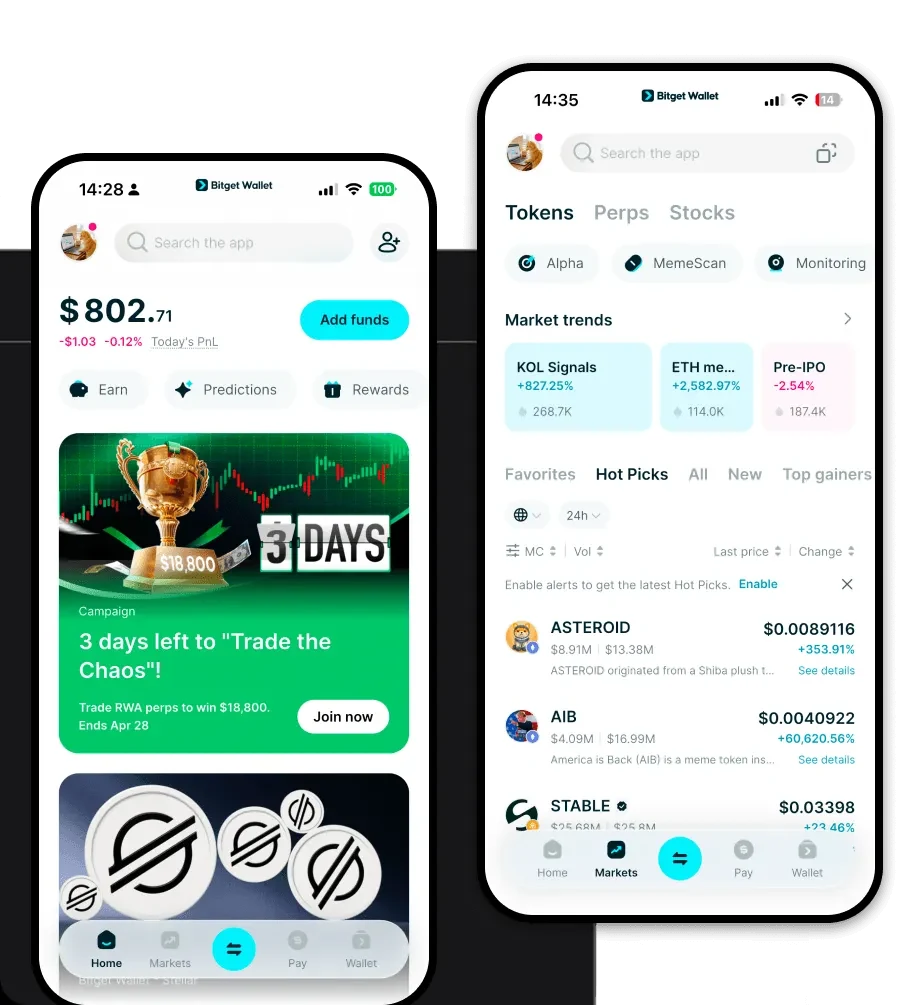
To start managing your assets, you need a robust, user-friendly gateway to the blockchain. We recommend you download Bitget Wallet to experience a seamless interface that brings your digital assets together. Whether you are on the move or at your desk, Bitget Wallet is available as an iOS and Android app, as well as a powerful browser extension for desktop users. It supports non-custodial storage, meaning you hold the private keys and retain full ownership of your Cella. With comprehensive support for over 130 public chains, Bitget Wallet allows you to manage your Cella alongside a vast portfolio of other tokens without switching between different platforms.
Why Choose Bitget Cella Wallet?
- EVM Ecosystem Mastery: Bitget Wallet is built from the ground up to handle EVM-compatible tokens like Cella, ensuring that smart contract interactions and token approvals are always optimized for the network.
- Advanced Cross-Chain Interoperability: Easily bridge your Cella across different EVM chains, allowing you to move capital efficiently between networks to capture the best DeFi opportunities.
- Institutional-Grade Security: With a $300 million user protection fund, Bitget Wallet provides a heavy-duty security shield, protecting your Cella from malicious dApps and common vulnerabilities.
- Decentralized Liquidity Aggregation: Access the deepest liquidity pools directly within the wallet, ensuring you get the best slippage and execution rates when swapping your Cella tokens.
How to Create a Cella Wallet
1. Download the app: Visit the official store or the Bitget Wallet website to install the official application on your device.2. Create a new wallet: Open the app and select 'Create Wallet'. You will be prompted to set a secure password or biometric authentication.3. Secure your seed phrase: The app will generate a 12-word recovery phrase. Write this down on paper and store it offline; never share this with anyone.4. Verify your backup: Confirm your seed phrase by entering the words in the correct order to ensure you have backed it up accurately.5. Import or Add Cella: Since Cella is an EVM token, it should appear automatically. If not, simply paste the Cella contract address in the 'Add Token' section to see your balance.
What Can You Do With a Cella Wallet?
- Staking: Lock your Cella tokens into designated smart contracts to earn passive yield, helping you grow your holdings over time.
- Token Swapping: Utilize the built-in decentralized exchange aggregator to instantly trade Cella for ETH, USDT, or other assets with minimal slippage.
- Portfolio Management: Monitor your entire net worth, including Cella and other DeFi positions, through a unified, real-time dashboard that tracks market fluctuations.
- Liquidity Provision: Add your Cella to decentralized liquidity pools to earn trading fees, becoming a vital part of the DeFi ecosystem's functionality.
How Cella Wallets Are Different from Other Crypto Wallets
When choosing a wallet for Cella, you are essentially looking for an EVM-native experience. Unlike Bitcoin wallets that focus on the UTXO (Unspent Transaction Output) model, a Cella wallet is designed for the Account-based model used by EVM chains. This means your wallet manages state variables and contract interactions rather than just simple transaction outputs. Furthermore, while some wallets prioritize basic storage, a Cella-compatible wallet like Bitget Wallet prioritizes gas estimation and dApp connectivity. Because DeFi transactions are complex, you need a wallet that can simulate transaction outcomes before you sign them, ensuring you don't lose funds to malicious contracts—a feature that distinguishes a professional-grade DeFi wallet from a basic storage app.
