





What is an a.t.h Wallet?
An a.t.h wallet is a digital interface that allows you to interact with the a.t.h token, a cryptocurrency asset often associated with meme-driven or speculative trading environments. Users typically manage and trade a.t.h using secure, multi-chain crypto wallets like Bitget Wallet, which provides access to broader Web3 ecosystems. Because a.t.h operates on an EVM (Ethereum Virtual Machine) compatible blockchain, your wallet functions as a bridge to decentralized applications, enabling you to hold tokens and interact with smart contracts directly on the chain.
Download Bitget a.t.h Wallet
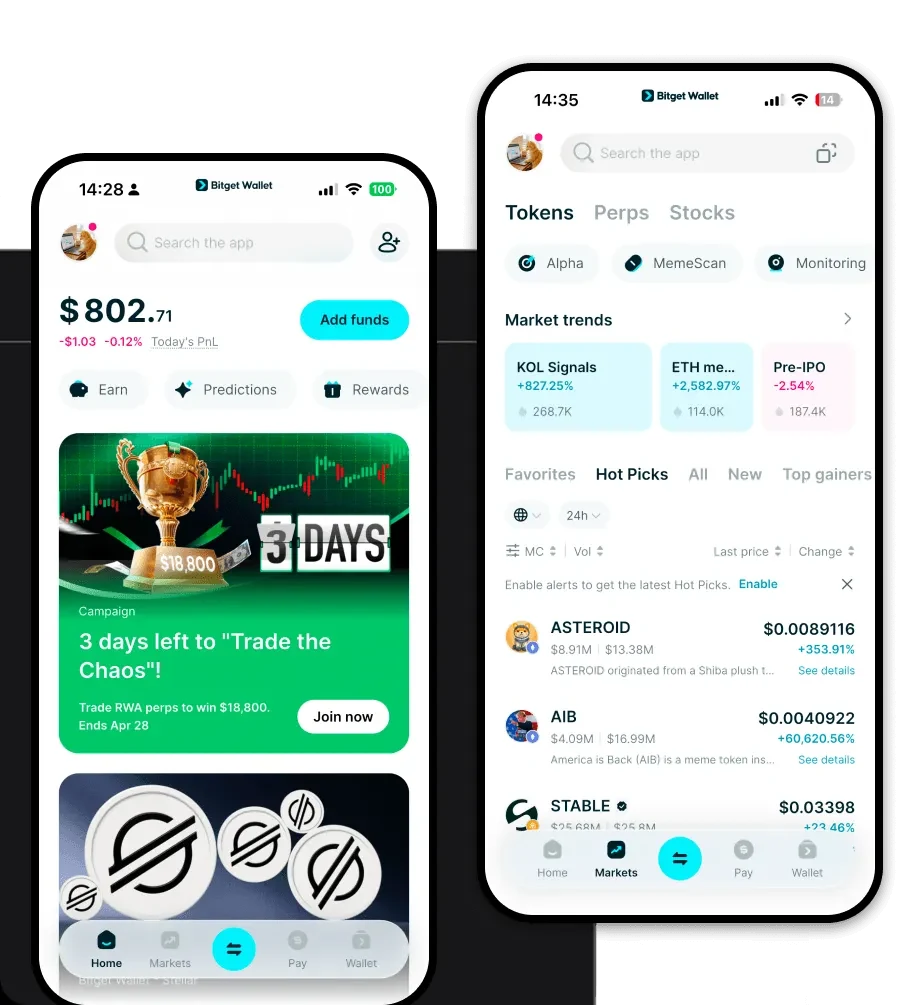
To start managing your tokens, you need a robust interface that keeps your assets secure while providing full control. The Bitget Wallet app is designed for both beginners and experienced traders, offering a seamless experience across iOS, Android, and browser extensions. By choosing to download Bitget Wallet, you gain access to a self-custodial solution where you hold the private keys to your a.t.h tokens. It supports over 130 public chains, ensuring that even if your portfolio expands beyond a.t.h, you have a unified, multi-chain dashboard to monitor all your assets in one place.
Why Choose Bitget a.t.h Wallet?
- EVM Ecosystem Integration: Enjoy native compatibility with the Ethereum Virtual Machine, allowing you to connect to any decentralized exchange or platform where a.t.h is traded without configuration headaches.
- Smart Money Tracking: Leverage advanced market data and real-time monitoring tools to stay ahead of the high volatility inherent in community-driven meme tokens.
- Advanced Security Infrastructure: Benefit from a $300 million user protection fund, ensuring that your assets have an extra layer of defense against potential on-chain threats.
- Seamless DApp Browsing: Access the decentralized web directly from the app, making it easier to participate in liquidity pools or community governance initiatives.
How to Create an a.t.h Wallet
Creating your wallet is a straightforward process that grants you full ownership of your digital assets:
- Download and Install: Visit the official website to download Bitget Wallet on your mobile device or browser.
- Initialize New Wallet: Open the app and select 'Create a Wallet'. You will be prompted to set a strong password.
- Backup Your Recovery Phrase: Write down your 12-word recovery phrase on paper and store it offline; never share this with anyone, as it is the master key to your a.t.h tokens.
- Verify Account: Confirm the recovery phrase in the app to ensure you have backed it up correctly.
- Add a.t.h Token: Use the 'Add Token' feature and paste the official a.t.h contract address to ensure your balance appears in your dashboard.
What Can You Do With an a.t.h Wallet?
Once your wallet is set up, you can actively engage with the token's ecosystem through several key activities:
- Speculative Trading: Use decentralized exchanges integrated within the wallet to buy and sell a.t.h during periods of high market activity.
- Liquidity Provision: Contribute your a.t.h holdings to decentralized liquidity pools to earn potential rewards from trading fees.
- Portfolio Holding: Store your assets in a secure, non-custodial environment that you control, keeping them ready for long-term strategies.
- Cross-chain Swapping: Easily exchange your a.t.h for other assets across different chains using the built-in cross-chain bridge technology.
How a.t.h Wallets Are Different from Other Crypto Wallets
Unlike wallets designed for UTXO-based chains (like Bitcoin), an a.t.h wallet functions on an account-based model typical of the EVM ecosystem. This means your wallet address acts like a bank account number that tracks a balance rather than unspent transaction outputs. Furthermore, because a.t.h is an EVM token, your wallet must manage 'gas' fees—the transaction costs paid to network validators to process your trades. Unlike resource-heavy chains that require staking for network bandwidth, the a.t.h wallet experience focuses on gas-efficient interactions, allowing you to prioritize transaction speed during high-volatility events by adjusting your gas settings directly within the Bitget interface.
