



1. Che cos'è un wallet FLR?
Un wallet FLR è un'interfaccia digitale che ti consente di interagire con la rete Flare, una blockchain Layer 1 basata su EVM progettata per connettere tutto. Flare fornisce agli sviluppatori un accesso decentralizzato a dati ad alta integrità provenienti da altre catene e da Internet, concentrandosi sull'interoperabilità per consentire l'acquisizione sicura dei dati per gli smart contract. Poiché Flare è basato sull'Ethereum Virtual Machine (EVM), il tuo wallet deve essere compatibile con gli standard EVM per archiviare FLR, firmare transazioni e interagire con le applicazioni decentralizzate dell'ecosistema.
2. Scarica il Bitget FLR Wallet
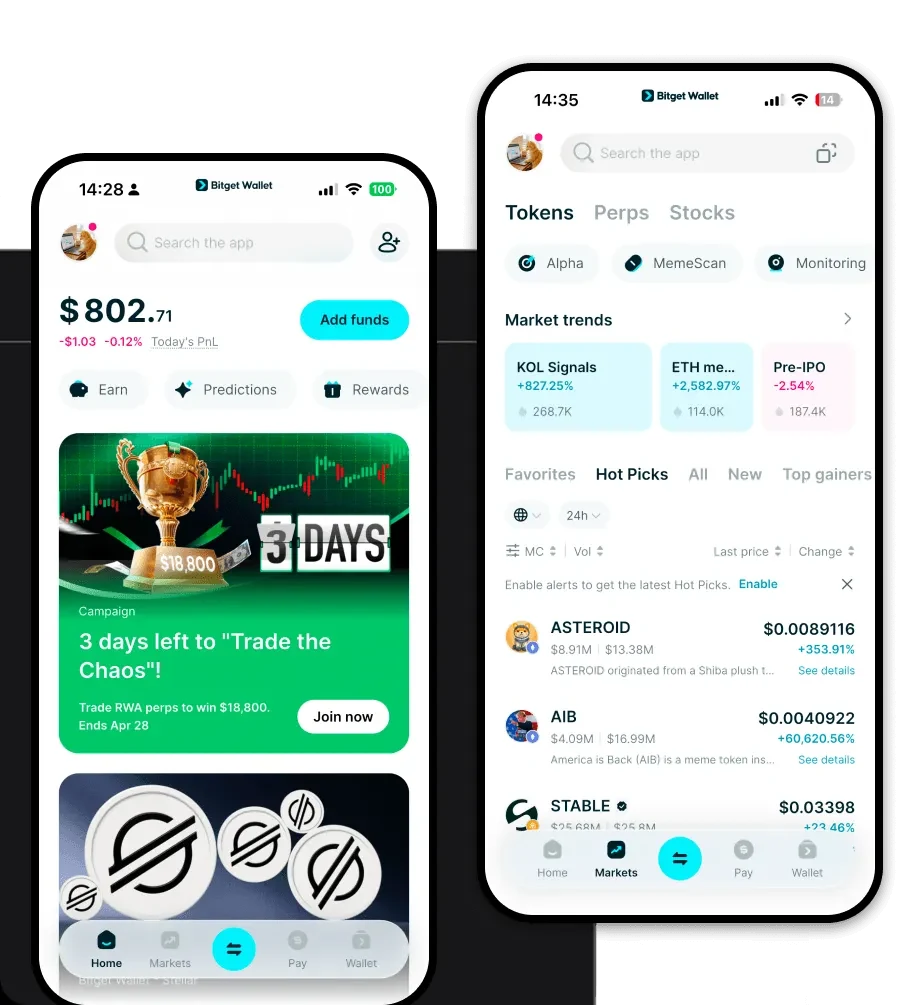
Se stai cercando una casa sicura e versatile per le tue risorse Flare, il Bitget Wallet è una scelta di alto livello. Funge da gateway per il più ampio ecosistema Web3 fornendo allo stesso tempo supporto nativo per la rete Flare. Puoi facilmente scaricare Bitget Wallet su varie piattaforme, tra cui iOS, Android e come estensione del browser, assicurandoti di poter gestire i tuoi FLR in movimento o dal tuo desktop. Bitget Wallet dà la priorità all'autocustodia, offrendoti il pieno controllo sulle tue chiavi private e frasi seed, offrendo al contempo il supporto multi-chain in modo da poter gestire FLR insieme ad asset provenienti da oltre 130 altre blockchain.
3. Perché scegliere il Bitget FLR Wallet?
Bitget Wallet si distingue per gli utenti che interagiscono con chain Layer 1 basate su EVM come Flare. Ecco perché è la scelta preferita per i detentori di FLR:
- Compatibilità EVM senza interruzioni: Bitget Wallet è creato per gestire le interazioni standard EVM in modo nativo, assicurando che le applicazioni decentralizzate di Flare funzionino senza intoppi e senza configurazioni complesse.
- Protezione avanzata degli asset: Con un fondo di protezione degli utenti dedicato di 300 milioni di USD, Bitget Wallet aggiunge un livello cruciale di sicurezza, salvaguardando i tuoi FLR da potenziali vulnerabilità a livello di piattaforma.
- Gestione FTSO integrata: L'interfaccia del wallet è ottimizzata per interagire con i meccanismi Flare Time Series Oracle (FTSO), rendendo più facile per gli utenti partecipare alla distribuzione decentralizzata dei dati della rete.
- Integrazione del browser DApp: Esplora l'ecosistema Flare direttamente tramite il browser DApp integrato, che ti consente di connetterti a protocolli DeFi e piattaforme di condivisione dati senza cambiare app.
- Gestione efficiente delle gas fee: Poiché Flare utilizza una struttura EVM, le gas fee sono fondamentali; Bitget Wallet fornisce una stima del gas in tempo reale, aiutandoti a ottimizzare i costi delle transazioni.
4. Come creare un wallet FLR
Configurare il tuo wallet per detenere FLR è un processo semplice, pensato sia per i principianti che per gli utenti esperti. Segui questi passaggi:
- Scarica e installa l'app Bitget Wallet dal sito ufficiale o dal tuo app store mobile.
- Apri l'app e seleziona 'Crea wallet' per generare un nuovo account.
- Assicurati di eseguire il backup della tua frase seed (frase di recupero) in un luogo sicuro e offline: questo è l'unico modo per recuperare i tuoi fondi se perdi l'accesso al tuo dispositivo.
- Una volta all'interno dell'interfaccia principale, vai alla sezione di gestione dei token e aggiungi 'FLR' al tuo elenco di asset cercando la rete Flare.
- Il tuo wallet è ora pronto. Puoi copiare il tuo indirizzo pubblico cliccando su 'Ricevi' per iniziare a trasferire FLR nel tuo nuovo wallet sicuro.
5. Cosa puoi fare con un wallet FLR?
Un wallet FLR non serve solo a detenere token; è il tuo strumento per partecipare alle funzionalità uniche della rete. Ecco come puoi utilizzare i tuoi FLR:
- Staking tramite delega FTSO: Puoi delegare i tuoi token FLR ai fornitori di segnale tramite il sistema FTSO, partecipando attivamente alla verifica dei dati e ottenendo potenziali ricompense.
- Voto di governance: Detenendo FLR nel tuo wallet, ottieni la possibilità di partecipare alla governance on-chain, permettendoti di votare le proposte che plasmeranno il futuro della rete Flare.
- Pagamento delle gas fee: Proprio come su altre chain EVM, i tuoi FLR sono essenziali per pagare le commissioni di transazione (gas) quando esegui smart contract o sposti asset sulla blockchain Flare.
- Fornitura di dati agli smart contract: Utilizza il tuo wallet per interagire con le applicazioni decentralizzate che sfruttano l'infrastruttura di Flare per alimentare smart contract con dati ad alta integrità.
- Wrapping di asset cross-chain: Usa il tuo wallet per partecipare al wrapping di asset da altre chain, permettendoti di trasferire token nell'ecosistema Flare in modo sicuro.
6. In che modo i wallet FLR differiscono dagli altri crypto wallet
Poiché Flare opera su un'architettura EVM, un wallet FLR funziona in modo diverso rispetto ai wallet progettati per chain basate su UTXO come Bitcoin. In un wallet FLR, utilizzi un modello "basato su account", il che significa che il tuo saldo viene tracciato come un saldo di un singolo indirizzo anziché come una raccolta di output di transazione non spesi. A differenza delle chain con modelli di risorse complessi (come EOS), l'esperienza Flare in un wallet è molto familiare a chiunque abbia usato Ethereum, concentrandosi sulle gas fee pagate nel token nativo. Inoltre, mentre alcuni wallet danno la priorità all'archiviazione statica, un wallet FLR deve essere abbastanza dinamico da gestire i requisiti specifici del sistema FTSO e dei protocolli di interoperabilità, garantendo che gli utenti possano interagire senza problemi con i feed di dati decentralizzati.
