





What is a DOB Wallet?
A DOB wallet is a specialized digital asset management tool designed to interact with the Bitcoin ecosystem, specifically tailored to handle tokens associated with the DOTA protocol and related BRC-20 or Runes standards. Because DOB operates on the Bitcoin network, it relies on the robust and decentralized architecture that has secured the world's first cryptocurrency for over a decade. Unlike tokens on other chains, DOB exists as part of the Bitcoin blockchain, which requires a specific approach to asset management.
Using a compatible Web3 wallet like Bitget Wallet is essential for anyone looking to engage with this ecosystem. The wallet serves as your gateway to your private keys, allowing you to securely manage, store, and trade DOB tokens without relying on centralized exchanges. By bridging the gap between complex Bitcoin protocols and user-friendly interfaces, a proper DOB wallet ensures that you maintain full custody of your digital assets while participating in the broader Bitcoin ecosystem.
Download Bitget DOB Wallet
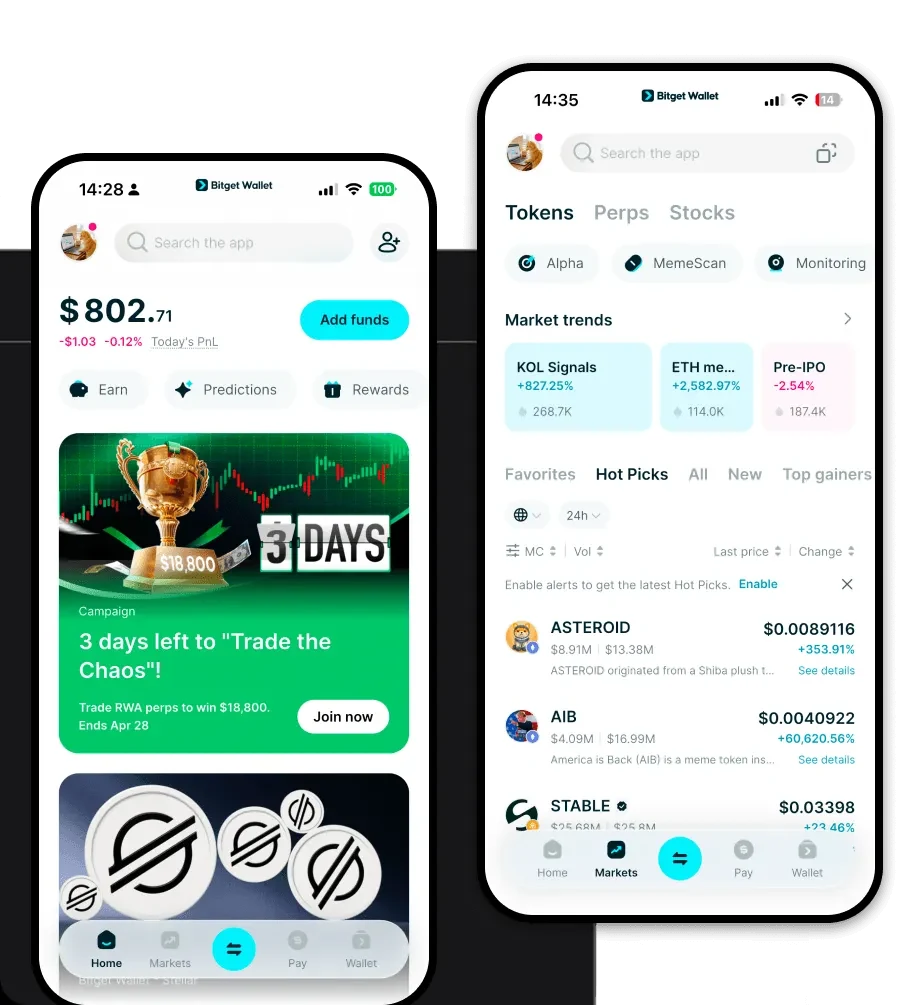
To begin your journey with DOB, you need a reliable, secure, and intuitive application. The Bitget Wallet app is widely considered the best wallet for DOB due to its deep integration with the Bitcoin network and its user-centric design. Whether you are using an iPhone, an Android device, or a desktop browser, the application provides a seamless experience for managing your tokens.
You can download Bitget Wallet directly from the official website to ensure you are getting the authentic version. The platform offers multi-chain support, meaning you can manage your DOB tokens alongside other assets in a single, unified interface. Crucially, it emphasizes private key self-custody, giving you complete control over your funds. With versions available for iOS, Android, and browser extensions, you can monitor your portfolio and execute trades whenever and wherever you choose.
Why Choose Bitget DOB Wallet?
Choosing the right tool is vital, especially when dealing with Bitcoin-native assets. Here is why the Bitget Wallet stands out for DOB users:
- Bitcoin Network Security: Bitget Wallet integrates directly with the Bitcoin blockchain, ensuring that every transaction benefits from the unparalleled security and decentralization of the BTC network.
- UTXO Model Mastery: Unlike standard wallets that struggle with the complexity of Bitcoin's UTXO (Unspent Transaction Output) model, this wallet is built to handle it natively, ensuring your transactions are processed smoothly.
- Ordinal Protocol Integration: The wallet provides specialized support for Ordinals and BRC-20 standards, making it the best wallet for DOB enthusiasts who want to stay at the forefront of Bitcoin innovation.
- Decentralized Issuance Support: It is designed to recognize and facilitate the unique nature of decentralized token issuance on the Bitcoin chain, providing a clear view of your holdings.
- Community-Driven Focus: Bitget Wallet is frequently updated to align with the needs of the community, ensuring that new features and protocol upgrades are implemented rapidly.
How to Create a DOB Wallet
Creating your DOB wallet address is a straightforward process that takes only a few minutes. Follow these steps to get started:
- Download and Install: Visit the official website to download Bitget Wallet app on your preferred device.
- Create a New Wallet: Open the app and select the 'Create a New Wallet' option. Ensure you are in a private space where no one can see your screen.
- Secure Your Seed Phrase: The app will generate a 12 or 24-word recovery phrase. Write this down on paper and store it in a secure location. Never share this phrase with anyone.
- Select the BTC Network: Once your wallet is set up, navigate to the network settings or the asset list and ensure that the Bitcoin (BTC) chain is active.
- View Your Address: Click on 'Receive' or the asset icon to display your unique DOB wallet address, which you can then use to deposit your tokens.
What Can You Do With a DOB Wallet?
Once you have your wallet set up, you can unlock the full potential of your tokens. Here is how you can utilize your DOB assets:
- Trading on Decentralized Exchanges: You can actively participate in trading on decentralized exchanges that support the Bitcoin ecosystem, allowing you to swap your tokens without intermediaries.
- Holding for Long-term Speculation: The wallet serves as a secure vault, perfect for holding your tokens while you wait for long-term market developments or potential project growth.
- Participating in Community Governance: By holding tokens in your own wallet, you may be eligible to participate in community-driven development initiatives or voting processes if the protocol supports it.
- Cross-chain Bridging: You can utilize integrated cross-chain bridges to move your assets to other chains, providing you with liquidity and flexibility across different DeFi ecosystems.
- Transferring Assets Peer-to-Peer: The wallet allows for seamless, direct transfers of DOB tokens to other wallet addresses, enabling fast and secure peer-to-peer transactions without the need for a centralized intermediary.
How DOB Wallets Are Different from Other Crypto Wallets
It is important to understand that not all wallets are created equal. A DOB wallet must be fundamentally different from a standard Ethereum or EVM-based wallet. The primary difference lies in the underlying architecture: the UTXO model versus the Account model.
Ethereum-based wallets use an 'Account' model, where the wallet tracks a balance associated with a specific address. In contrast, Bitcoin-based assets like DOB rely on the 'UTXO' (Unspent Transaction Output) model. This means that instead of a simple balance, your wallet manages a series of individual transaction outputs. A specialized wallet like Bitget Wallet is designed to handle this complexity by managing these outputs for you, ensuring that you don't accidentally spend inputs you didn't intend to. Furthermore, while EVM wallets focus on gas fees for contract execution, Bitcoin-native wallets focus on network fees required to include transactions in the blockchain, ensuring your assets are prioritized correctly during periods of high network congestion.
