





1. What is a HTX Wallet?
A HTX wallet is a digital interface that allows you to interact with your HTX tokens, providing secure storage and seamless transaction capabilities. HTX (formerly Huobi Token) is the native utility token of the HTX exchange ecosystem. It is designed to provide users with various benefits, including reduced trading fees, participation in token sales, and exclusive access to platform services within the HTX exchange and its broader Web3 ecosystem. Because HTX operates on the EVM (Ethereum Virtual Machine) blockchain, a compatible wallet is essential for interacting with decentralized applications and managing your assets on-chain.
2. Download Bitget HTX Wallet
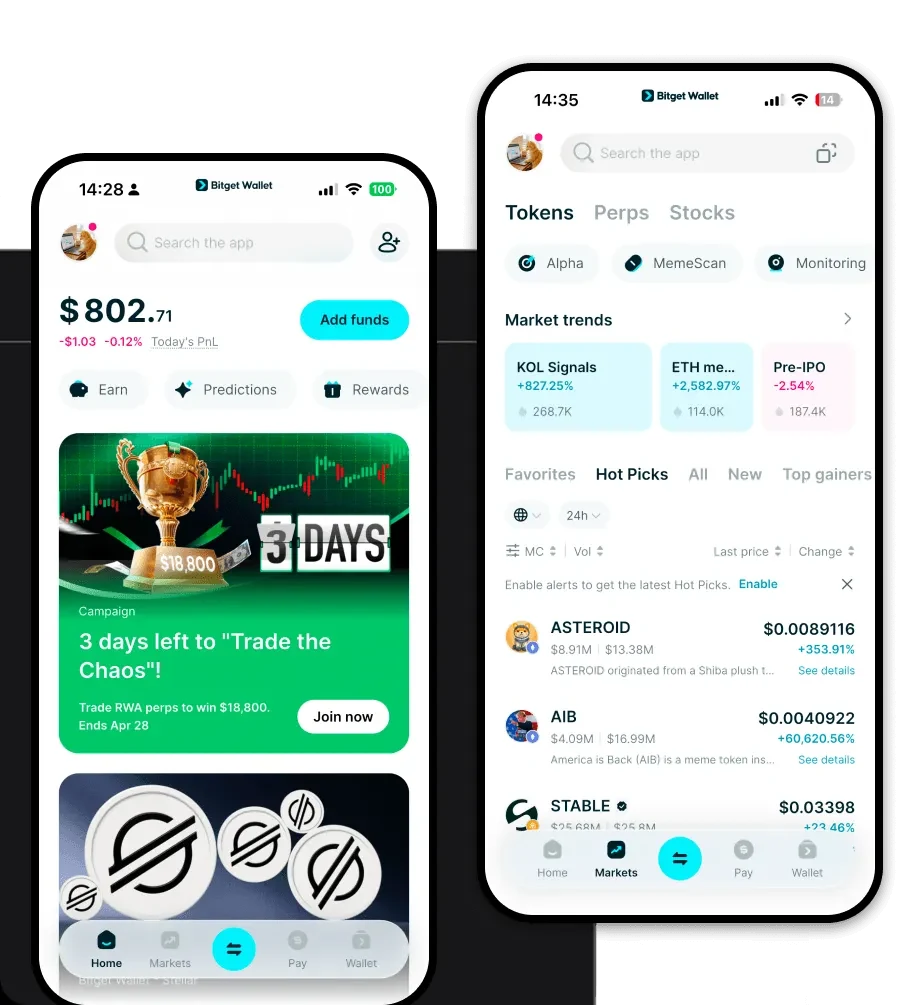
To fully experience the potential of your HTX tokens, you need a robust, user-friendly gateway. Bitget Wallet serves as the premier choice, offering a seamless self-custody solution for your digital assets. Whether you are managing your portfolio on the go or conducting complex DeFi transactions, the platform provides full multi-chain support, ensuring your HTX tokens are always accessible. With self-custody, you retain total control over your private keys, providing a layer of security that centralized exchanges cannot match. Bitget Wallet is available as an download Bitget Wallet app for both iOS and Android, and as a browser extension, ensuring you can manage your assets wherever you are.
3. Why Choose Bitget HTX Wallet?
Selecting the right infrastructure for your EVM-based tokens is critical for both security and efficiency. Bitget Wallet is optimized for the EVM ecosystem, providing a superior user experience. Here is why it stands out:
- Seamless EVM Compatibility: Bitget Wallet is built from the ground up to support the Ethereum Virtual Machine, allowing you to interact with any dApp, DeFi protocol, or NFT marketplace on the HTX chain without friction.
- Advanced Security Infrastructure: With a $300 million user protection fund and robust encryption, your HTX tokens are shielded against common on-chain vulnerabilities.
- Gas Fee Optimization: The wallet offers smart gas management, helping you execute transactions at the most efficient rates, which is vital for frequent traders within the HTX ecosystem.
- Integrated Ecosystem Access: Unlike generic wallets, Bitget provides direct entry to hundreds of DEXs and cross-chain bridges, allowing you to swap HTX or interact with other assets with minimal effort.
4. How to Create a HTX Wallet
Setting up your wallet is a straightforward process designed for both beginners and experienced users. Follow these steps to get started:
Step 1: Download the Bitget Wallet app from the official website or your device's app store.
Step 2: Open the application and select 'Create a New Wallet'. Make sure you are in a private environment.
Step 3: Carefully back up your seed phrase. This is the only way to recover your account; never share this phrase with anyone.
Step 4: Verify your seed phrase by entering it in the requested order to ensure it was recorded correctly.
Step 5: Once set up, add 'HTX' to your asset list by searching for the token contract address, and your wallet is ready to receive and send tokens.
5. What Can You Do With a HTX Wallet?
Using a dedicated wallet unlocks the full utility of the HTX ecosystem. Beyond simple holding, you can engage in various activities:
- Trading Fee Discounts: By holding HTX in your non-custodial wallet, you can qualify for reduced trading fees when interacting with connected exchange services.
- Participating in Token Launches: Use your wallet to participate in exclusive token sales and launchpads, gaining early access to new projects.
- Staking for Rewards: Lock your tokens within DeFi protocols to earn passive income through staking for rewards, effectively putting your idle assets to work.
- Governance Voting: Participate in community governance voting, where your token holdings grant you a voice in the future development of the ecosystem.
- Platform Service Payments: Utilize your HTX tokens for platform service payments, streamlining your interactions across the broader Web3 ecosystem.
6. How HTX Wallets Are Different from Other Crypto Wallets
The primary difference lies in how a specialized EVM-compatible wallet handles the underlying architecture compared to non-EVM wallets. While Bitcoin wallets utilize the UTXO (Unspent Transaction Output) model, an EVM-based wallet like Bitget uses the Account-based model. This means your wallet functions more like a bank account, where balances are tracked directly against your address rather than through a chain of transaction outputs. Furthermore, because HTX operates on the EVM, you are not dealing with resource-heavy models like EOS; instead, you are subject to the standard gas fee market. This makes the wallet highly efficient for complex smart contract interactions, ensuring faster confirmation times and lower operational friction compared to legacy or non-compatible storage solutions.
